
Last updated November 4, 2026
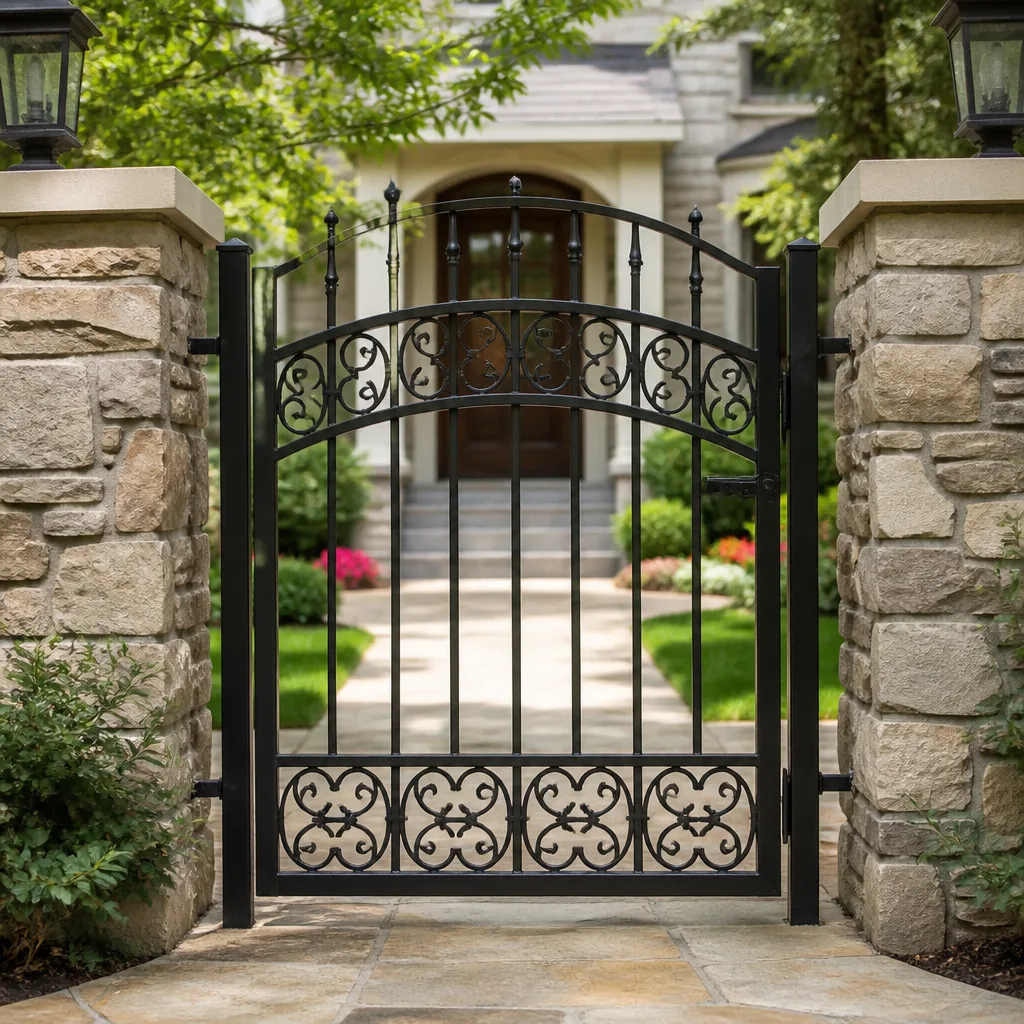 Wrought iron
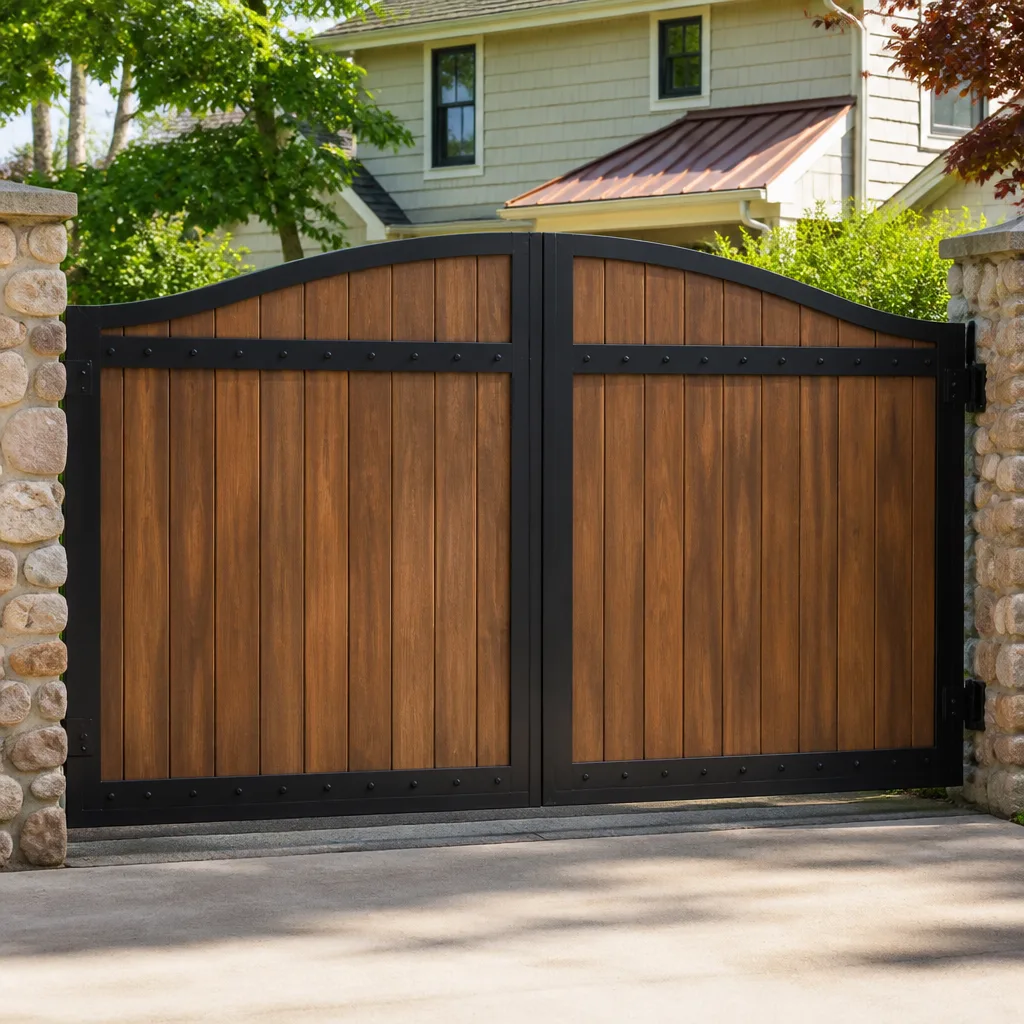 Wood & steel frame
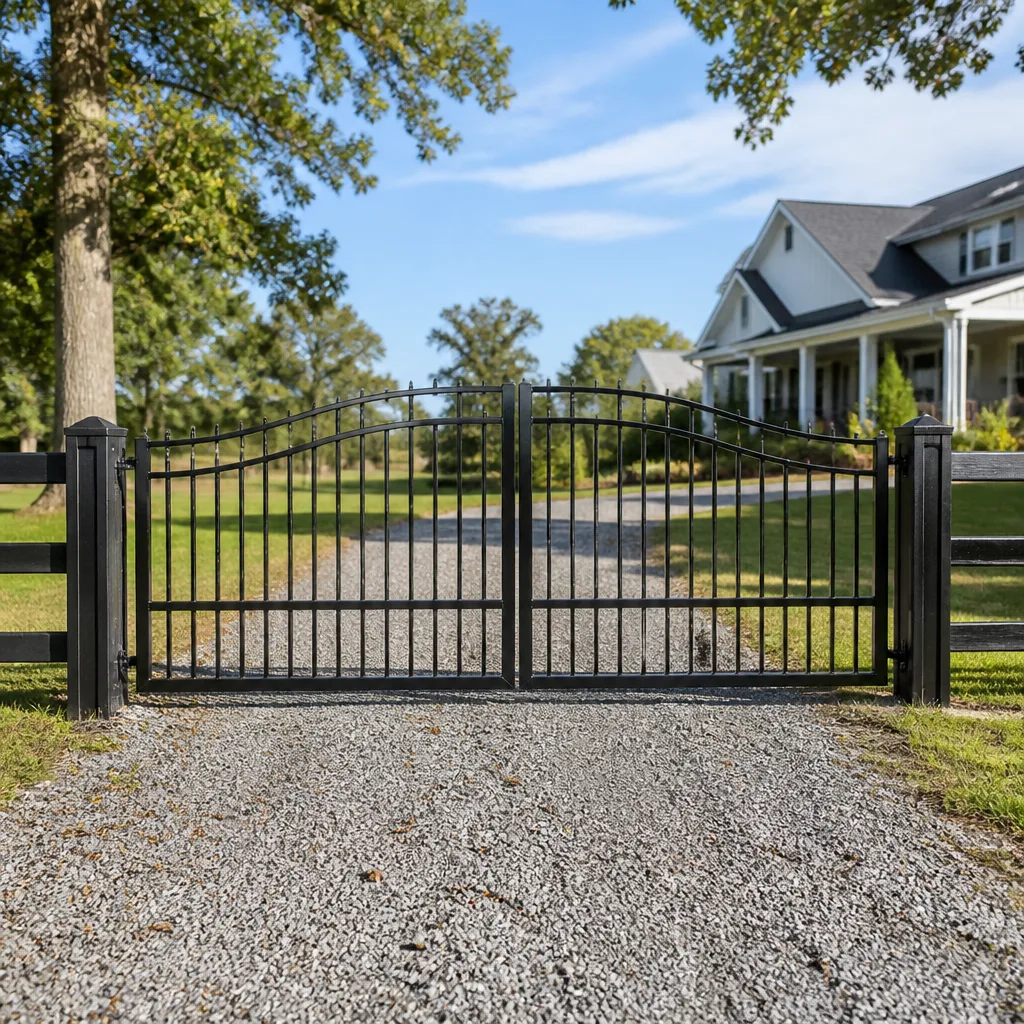 Farm & ranch
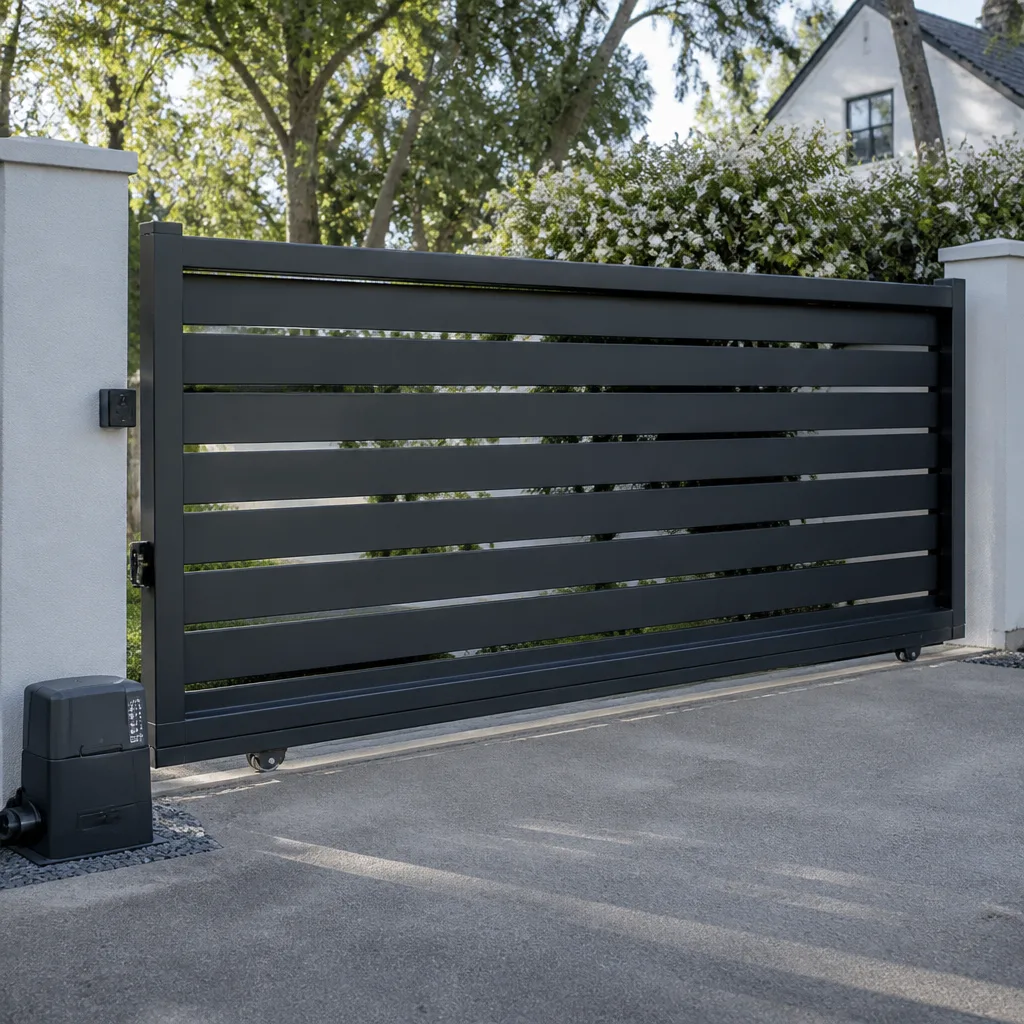 Sliding driveway gates
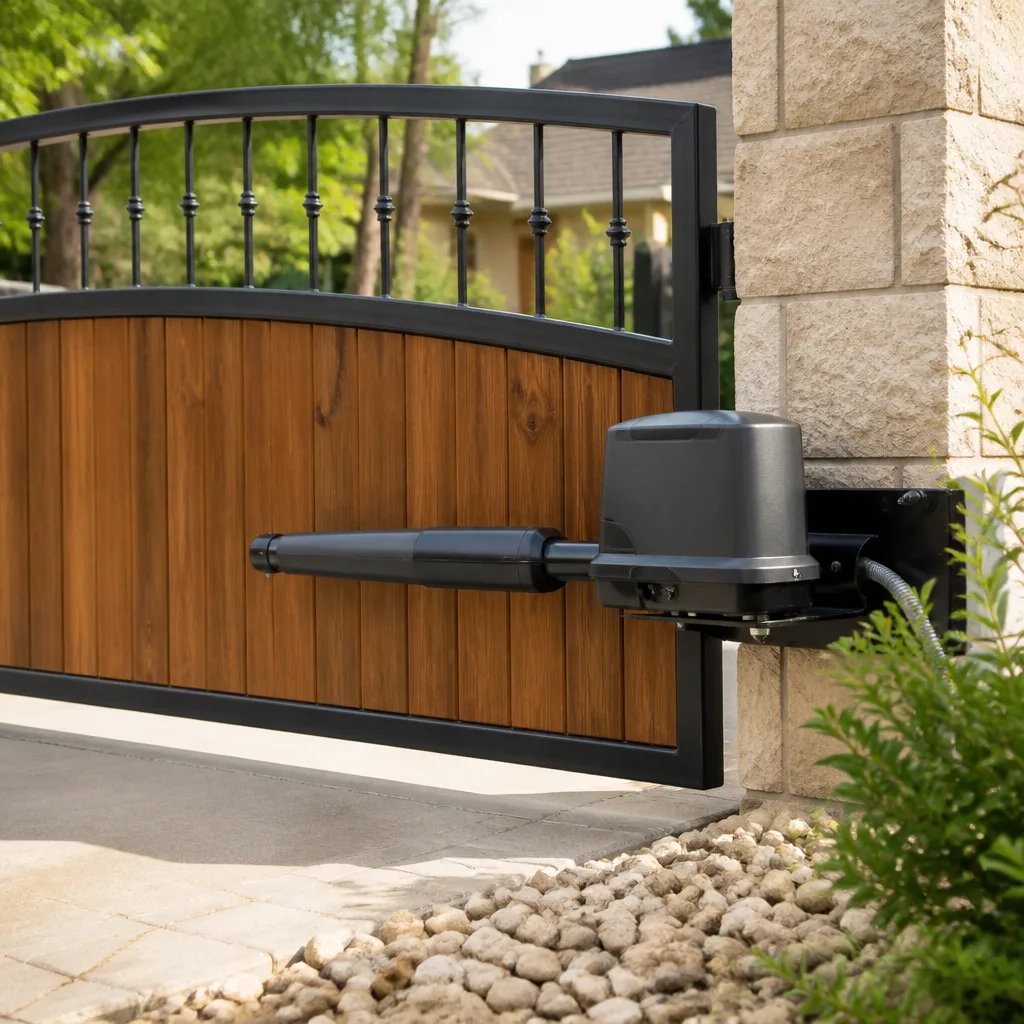 LiftMaster operators
Free on-site gate assessment - hinges, posts, and your LiftMaster or Nice gate operator checked before anything is quoted
The assessment is free and the quote is the invoice.
Get your free estimateThe Complete Guide to Gate Repair in Baldwin Park
Most property owners in Baldwin Park assume a gate that won’t open is a motor problem. That assumption costs money. In our experience, a gate that stops mid-swing or refuses to budge is often something far less expensive: a limit switch that drifted out of alignment, a capacitor that gave out, or a sensor lens covered in dust. The difference matters because it determines whether you pay for a $40 adjustment or a $1,200 operator replacement. This guide walks through the five root causes behind most gate failures in this city, how to identify which one you’re dealing with, and what a legitimate repair should actually cost. By the end, you’ll know how to separate a real diagnosis from a guess.
Quick Answer
Gate repair in Baldwin Park typically runs between $150 and $900, depending on whether the issue is mechanical, electrical, or structural. Most common failures (limit switches, capacitors, remote receivers, hinge lubrication) cost under $300 to fix. The first step is always a proper diagnosis: identifying whether the problem is the gate itself, the operator, the sensors, or the mounting posts before any parts get replaced.
Styles & brands we work with
- Wrought iron
- Wood & steel frame
- Farm & ranch
- Sliding driveway gates
- LiftMaster operators
Table of Contents
- The Five Root Causes of Gate Failure
- Mechanical vs. Electrical: How to Tell the Difference
- How Baldwin Park’s Climate and Soil Affect Gates
- Brand-Specific Repair Logic: Why Viking, FAAC, and DoorKing Aren’t Interchangeable
- When to Repair vs. When to Replace
- What a Legitimate Repair Invoice Should Itemize
- Common Mistakes to Avoid
- When to Call a Professional
- Frequently Asked Questions
This guide is written from the ground up for Baldwin Park property owners. Whether you have a swing gate on a residential driveway off Maine Avenue or a commercial slide gate near the 10 Freeway, the diagnostic principles below apply. We’ve focused on the failures we see most often in this market and the repair logic that actually holds up.
The Five Root Causes of Gate Failure
Every gate problem we see in Baldwin Park falls into one of five categories. Knowing which one you’re dealing with before you call anyone changes the entire conversation. Here’s the framework we use on every service call.
- Mechanical failure: The gate’s physical components wear out: hinges, wheels, rollers, chains, or the gate structure itself. This is the most common residential issue. A gate that’s hard to push manually or makes a grinding noise is almost always mechanical.
- Electrical failure: The motor, control board, capacitor, or wiring stops working. A gate that does nothing when you press the remote, but moves freely by hand, points to an electrical issue.
- Sensor malfunction: Safety sensors, loop detectors, or photo eyes give false signals. A gate that reverses immediately after starting, or won’t close at all, is usually a sensor problem.
- Structural damage: The mounting posts shift, concrete cracks, or the gate’s weight causes sagging over time. This is the slowest-developing problem and the most expensive when ignored.
- Operator failure: The gearbox, limit switches, or internal mechanics of the operator itself wear out. This sits between electrical and mechanical and is the most commonly misdiagnosed category.
The logic matters because a hinge replacement might cost $150 while a new operator board runs $600 or more. If a technician jumps straight to replacing the operator without checking the hinges, you’re paying for a guess. We see this in Baldwin Park regularly: properties where the original installer is no longer available, and the owner is working with a general handyman who doesn’t specialize in gates. A gate repair specialist approaches the problem systematically, checking the cheapest and most likely causes first.
Mechanical vs. Electrical: How to Tell the Difference
The fastest diagnostic question is simple: does the gate move freely by hand? If you can push it open and closed without unusual resistance, the structure and mechanical components are probably fine. If it’s stiff, heavy, or binding, you have a mechanical problem. This single test saves hours of wrong work.
Mechanical Symptoms
- Gate squeaks, grinds, or scrapes during operation
- Visible sagging at the latch side
- Wheels or rollers show flat spots or don’t spin
- Gate is stiff to move manually
- The gate sticks at a specific point in its travel
Electrical Symptoms
- Gate doesn’t respond to the remote or keypad at all
- Motor hums but the gate doesn’t move
- Gate opens but won’t close, or vice versa
- Gate moves intermittently or reverses unexpectedly
- Remote range suddenly drops
One note that saves a lot of confusion: a motor that hums is not necessarily a bad motor. A failing capacitor often produces the same symptom at a fraction of the repair cost. Capacitors are the single most overlooked component in gate repair, and we replace them regularly in Baldwin Park. When a technician says “you need a new motor,” ask whether they checked the capacitor first. If they can’t answer that question clearly, get a second opinion.
How Baldwin Park’s Climate and Soil Affect Gates
Baldwin Park sits inland, in a region where summers run hot and the temperature swings between day and night can be significant. That heat cycling does specific things to automated gate equipment. Capacitors degrade faster, solder joints on control boards fatigue, and plastic gears inside operators get brittle. A gate that works fine through spring can fail in August, not because anything was installed wrong, but because the components simply wore out under thermal stress.
The soil here matters too. Much of Baldwin Park has a clay-heavy soil composition that expands and contracts with moisture. Concrete-mounted posts can shift slightly over years, throwing off gate alignment and putting stress on hinges, latches, and operators. When a gate that worked fine for years starts scraping or failing to latch, the cause is often the ground beneath it, not the gate itself. This is why we check post foundations during any Gate Repair Baldwin Park service call, even when the complaint is electrical. A shifted post can pull the gate out of alignment and trigger sensor faults that look electrical but are actually structural.
Heat is also why we recommend checking your operator’s internal cooling fan during service. Operators mounted in direct afternoon sun in Baldwin Park run hotter than they’re rated for, and dust from the surrounding area accumulates on internal components. A quick component cleaning during a repair call extends the life of the operator meaningfully.
Brand-Specific Repair Logic: Why Viking, FAAC, and DoorKing Aren’t Interchangeable
There’s a persistent assumption that gate operators are generic; that a motor is a motor. That assumption leads to mismatched parts, boards that don’t communicate, and repeat failures. We work on the brand you already have, and we’ve learned that each one fails in predictable ways.
Viking
Viking operators are common on heavier residential and light commercial gates. The most frequent Viking failure we see is the control board, especially on units that have been in service several years and suffered through Baldwin Park’s summer heat. Viking boards are also picky about input voltage. If the transformer is weak, the board behaves erratically. A generic replacement board almost never solves a Viking problem. The fix is a Viking-specific board paired with a voltage check at the source.
FAAC
FAAC systems are hydraulic, which means the failure patterns are different. Instead of a motor burning out, you get hydraulic fluid leaks, seal failures, and pressure relief issues. A FAAC gate that moves slowly or won’t hold position often needs fluid service and seal replacement, not a motor swap. Technicians who treat FAAC like an electromechanical operator misdiagnose these regularly.
DoorKing
DoorKing is arguably the most common brand in Baldwin Park, especially on commercial properties and apartment complexes. The 9150 and 1601 series are workhorses, but their limit switches wear out slowly. The symptom is subtle: the gate stops a little further open or closed each month, until it stops mid-cycle or reverses unexpectedly. The fix is a limit switch adjustment or replacement, a $40 part. But plenty of companies sell a full operator replacement because they don’t know how to set the limits correctly on a DoorKing board.
This is the argument for brand-specific knowledge. A technician who knows DoorKing’s setup menus solves the problem in one visit. A generalist fumbles through trial and error, bills you for the time, and may still leave the gate malfunctioning. When you call about electric gate repair, ask directly whether the technician works on your specific brand regularly.
When to Repair vs. When to Replace
Not every repair is worth doing. There’s a point where putting money into an aging gate and operator combination only delays an inevitable replacement, and the delay costs more than the new equipment. Here’s how we think about it on the job.
Repair Makes Sense When:
- The gate structure itself is solid, with no significant rust or sag
- The operator is under 8-10 years old and the failure is a known component (capacitor, limit switch, sensor)
- The mounting posts are straight and properly set
- Replacement parts for the brand are still readily available
- The total repair cost is less than half the cost of a new operator or gate
Replacement Makes Sense When:
- The gate panel itself is rusted through, heavily sagging, or has been hit one too many times
- The operator has multiple failing components and the brand has been discontinued
- Post foundations have shifted significantly and the concrete is cracking
- You’ve had the same component fail two or three times in the past year
- The total repair estimate exceeds 60-70% of a new installation
There’s an honesty problem in this trade. Some companies will repair anything, indefinitely, because that’s billable work. Others will recommend replacement at the first sign of trouble because it’s a bigger ticket. Our approach is simpler: we tell you which choice actually makes sense for your gate, your budget, and how long you plan to own the property. When repair genuinely extends gate life by years, that’s the answer. When repair only delays an inevitable replacement by six months, we say so before you spend the money.
What a Legitimate Repair Invoice Should Itemize
When you get an invoice for gate repair in Baldwin Park, it should not be a single vague line like “gate service” followed by a number. A legitimate invoice breaks down what was done. Here’s what it should include.
- Diagnostic time: The time spent identifying the actual root cause, usually itemized as labor or included as a flat diagnostic fee.
- Parts, by name: The specific part replaced: “DoorKing limit switch assembly,” “Viking 24V transformer,” “FAAC hydraulic seal kit.” If the invoice just says “parts,” ask for the breakdown.
- Labor, in hours: The number of hours billed and the hourly rate. This should be transparent.
- Service call or trip charge: If applicable, listed as its own line item.
- Adjustments and testing: Time spent adjusting limit switches, sensors, or alignment after the repair, plus testing cycles.
A vague invoice with a single line item is a red flag. It doesn’t tell you what you paid for, and it makes it impossible to compare quotes or understand whether the price was fair. Before any work starts, you should have a written estimate that shows the planned repair and the parts involved. If the final invoice doesn’t match the estimate, the technician should explain why before you pay. That’s how we run every job, whether it’s a simple hinge replacement or a full operator swap.
The other thing a legitimate invoice should include: the specific brand of the parts installed. Generic aftermarket parts are sometimes fine, but they don’t always play well with the original equipment. Ask before the work is done.
Common Mistakes to Avoid
- Ignoring a slow gate. A gate that’s gradually getting slower or noisier is telling you something. That something gets more expensive the longer you wait. A $40 limit switch adjustment today becomes a $600 motor replacement in six months.
- Using general-purpose lubricant on everything. WD-40 is not gate lubricant. It attracts dust and gums up limit switches and sensor housings. Use lithium grease on chains and wheels, and leave the electrical components alone.
- Fiddling with the control board settings. If you don’t know what DIP switches do, changing them can make the gate unsafe or non-functional. We regularly get calls from Baldwin Park homeowners who tried to “fix” a setting and made the problem worse.
- Replacing the remote batteries without checking the receiver. If the remote doesn’t work, the batteries are the first guess. But if fresh batteries don’t fix it, the problem is often the receiver or the antenna, not the remote itself.
- Waiting until the gate completely fails to call for service. Total failure is always more expensive than prevention. Gates give warning signs for months before they die.
- Hiring based on the lowest quote alone. The cheapest repair is often the one that doesn’t actually fix the root cause. Ask what brand of parts they’re using and whether they can show you the specific failure before any work begins.
- Forgetting that a gate is a safety device. Automated gates can cause serious injury if sensors aren’t working properly. A gate that closes on its own, or doesn’t reverse when it hits resistance, is dangerous. This isn’t a cosmetic issue. It needs professional attention immediately.
When to Call a Professional
You can handle a few things yourself: lubricating hinges, clearing debris from the track, tightening visible bolts. But anything involving the electrical side of the gate, the operator, or the safety sensors should be handled by someone who works on these systems daily. A gate is a heavy moving object controlled by electronics, and the combination can hurt someone if mishandled.
Specific situations that warrant a call include: the gate makes a grinding noise while moving, the remote doesn’t work with fresh batteries, the gate reverses or stops mid-cycle, the control board shows error codes, or the gate has sagged enough to drag on the ground. In Baldwin Park, Gate Repair Baldwin Park offers free estimates on all gate work. Call (855) 679-6795. We answer 24/7. Fast dispatch from 7am to 7pm, Sunday through Friday.
Frequently Asked Questions
Gate repair in Baldwin Park typically costs between $150 and $900. Minor repairs like limit switch adjustments, capacitor replacement, or sensor cleaning run $150 to $300. Operator board replacement, motor work, or structural repairs on larger gates run $500 to $900 or more. Written estimates are free, and the final price is agreed before any work starts.
Yes. We answer 24/7, and we offer fast dispatch from 7am to 7pm, Sunday through Friday. Many common repairs are completed the same day. More complex jobs, like operator replacement or structural work, may require a follow-up visit once parts are confirmed. Call (855) 679-6795 to check availability for your specific issue.
We work on all major gate brands, including LiftMaster, FAAC, BFT, Linear, Viking, Ghost Controls, DoorKing, Elite, and Mighty Mule. Our approach is brand-agnostic: we recommend the repair or replacement that’s right for your gate, not what happens to be on a truck. Whether it’s a Mighty Mule on a driveway or a FAAC system on a commercial lot, we diagnose the specific fault rather than guessing.
Yes. We handle the full gate lifecycle: mechanical repair, electric/automated system repair, and new installation. That means one team handles a broken hinge, a dead control board, and a complete gate replacement. You never need a second company as your gate ages or your needs change.
That behavior is almost always a limit switch or safety sensor issue, not a motor failure. A misaligned limit switch tells the operator the gate is fully open when it isn’t, causing it to reverse. It can also be a photo eye obstruction or a failing capacitor. The fix is often a $40 adjustment or sensor cleaning.
If the gate itself is solid and the operator is under 10 years old, repair is usually the right call. If the gate is rusted, sagging badly, or the operator has multiple failing components, replacement becomes more cost-effective. We give you the honest answer either way, with a written estimate you can review before deciding.
The Bottom Line
Most gate failures in Baldwin Park are more predictable than they seem. The gate stops working, and the actual cause is usually one of five things: a mechanical part wore out, an electrical component failed, a sensor is giving false feedback, the structure shifted, or the operator itself is aging out. The repair bill depends entirely on which one it is. A $40 limit switch adjustment is not the same job as a $1,200 operator replacement, and the way to avoid paying for the wrong one is to work with a specialist who diagnoses before replacing. We work on the brand you already have, give you a written estimate before any work starts, and treat your gate as the security asset it is. For gate repair in Baldwin Park, call (855) 679-6795. We answer 24/7. Fast dispatch from 7am to 7pm, Sunday through Friday.
Written by the team at Gate Repair Baldwin Park, serving Baldwin Park since 2015.
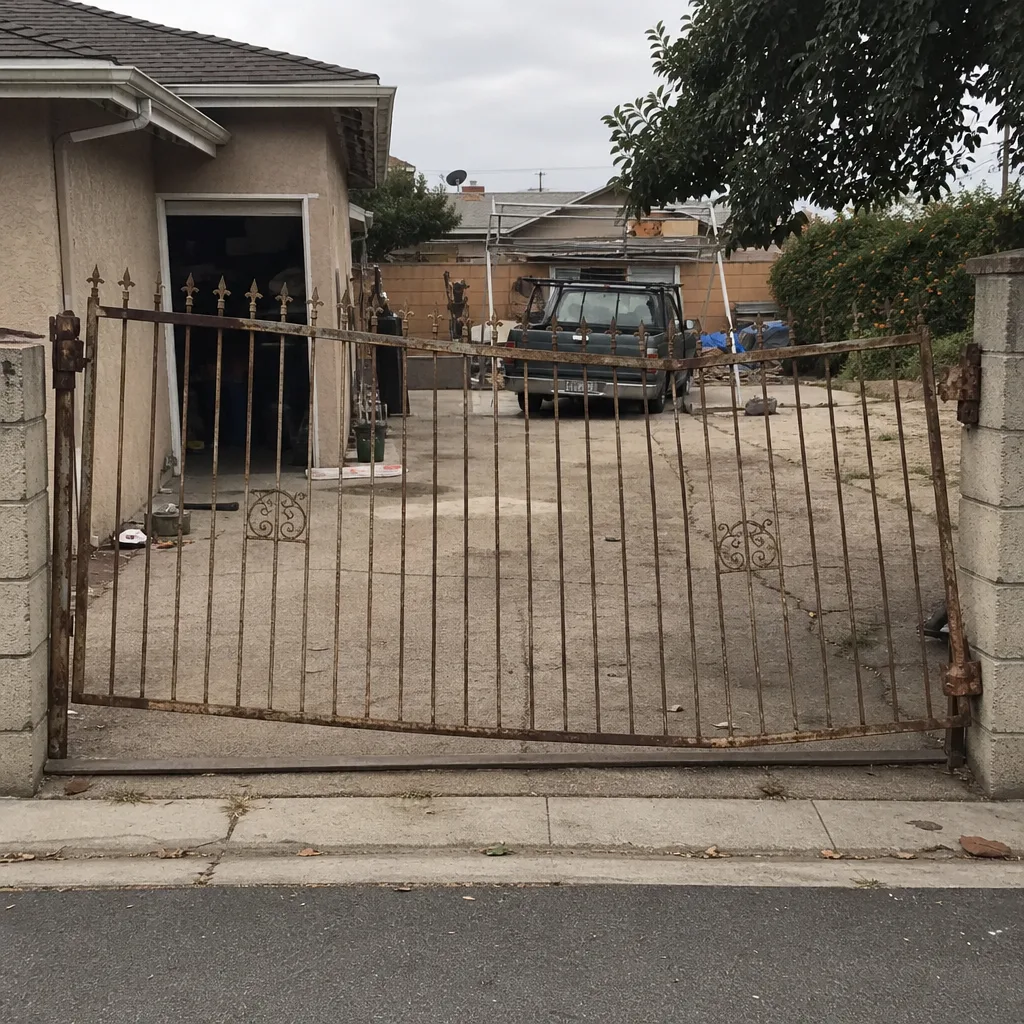
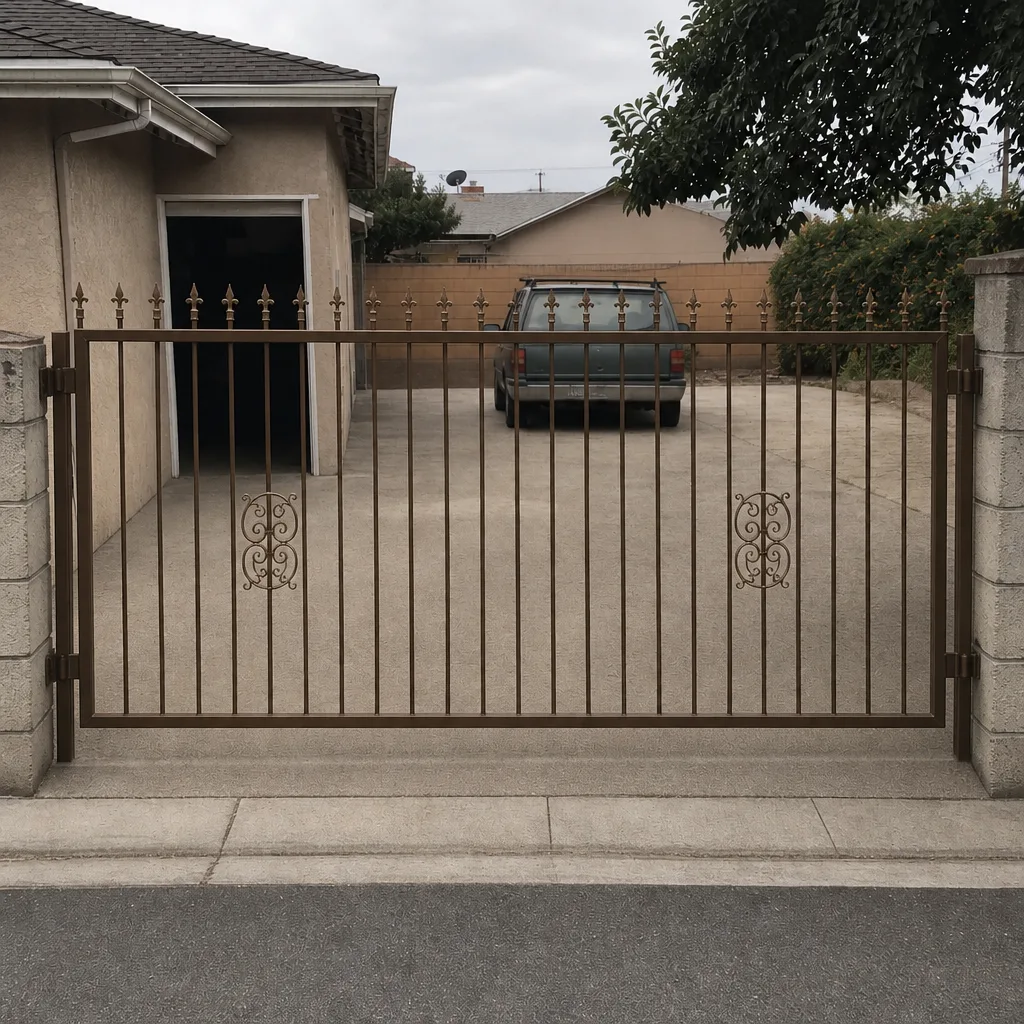
See the difference
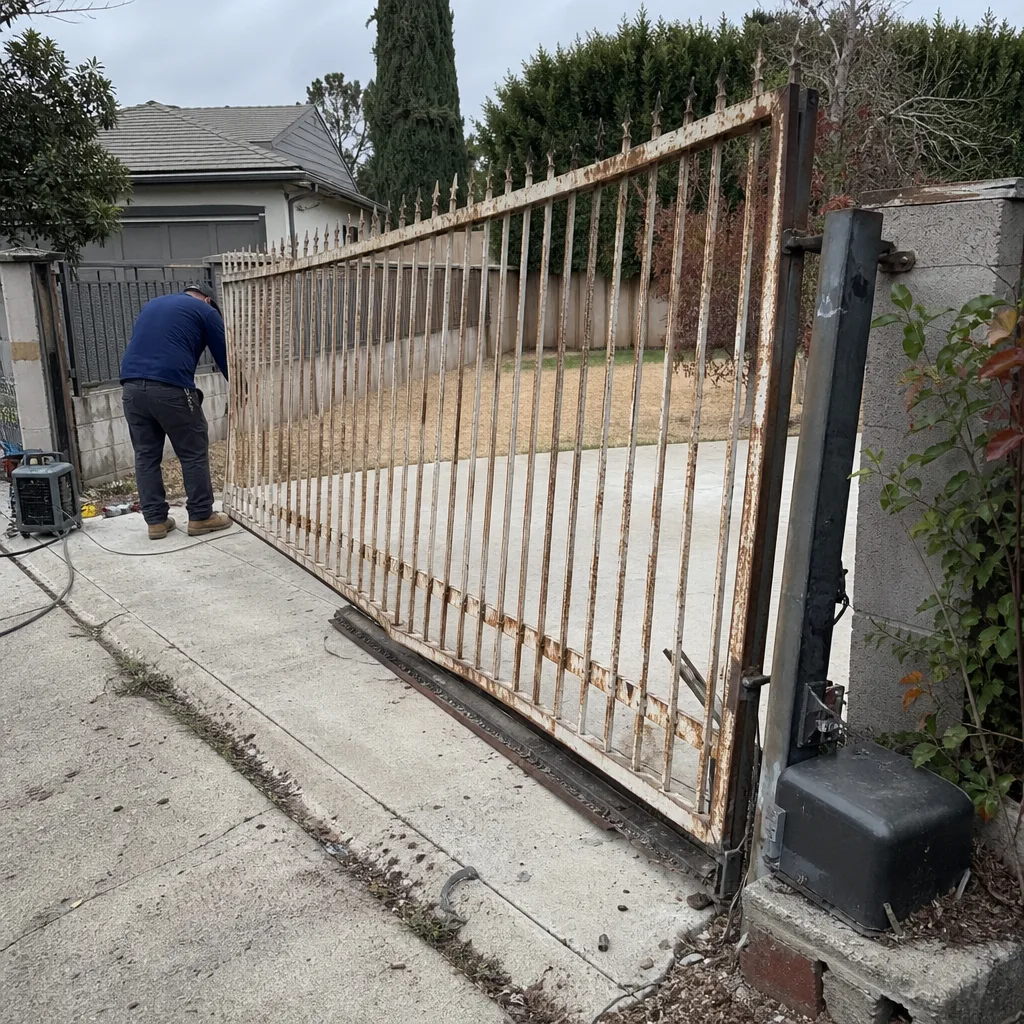 Before
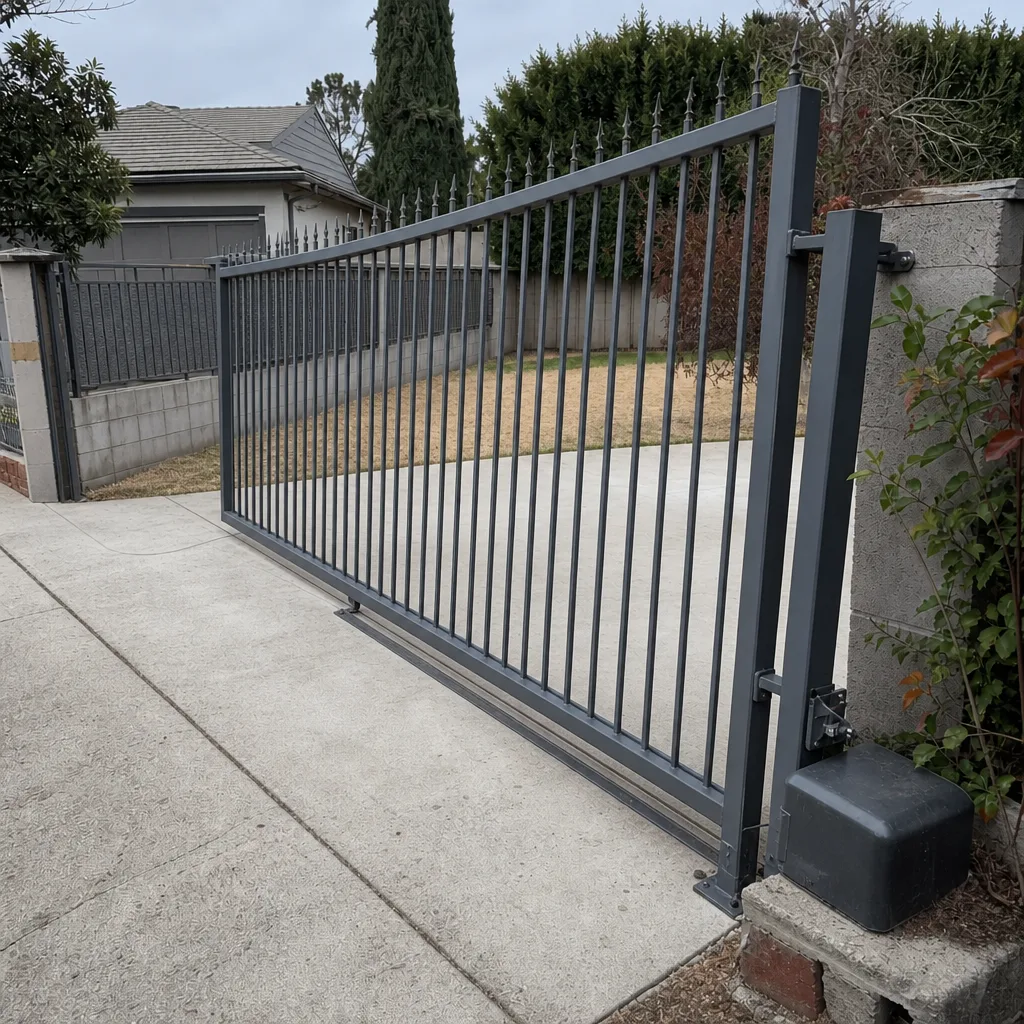 After
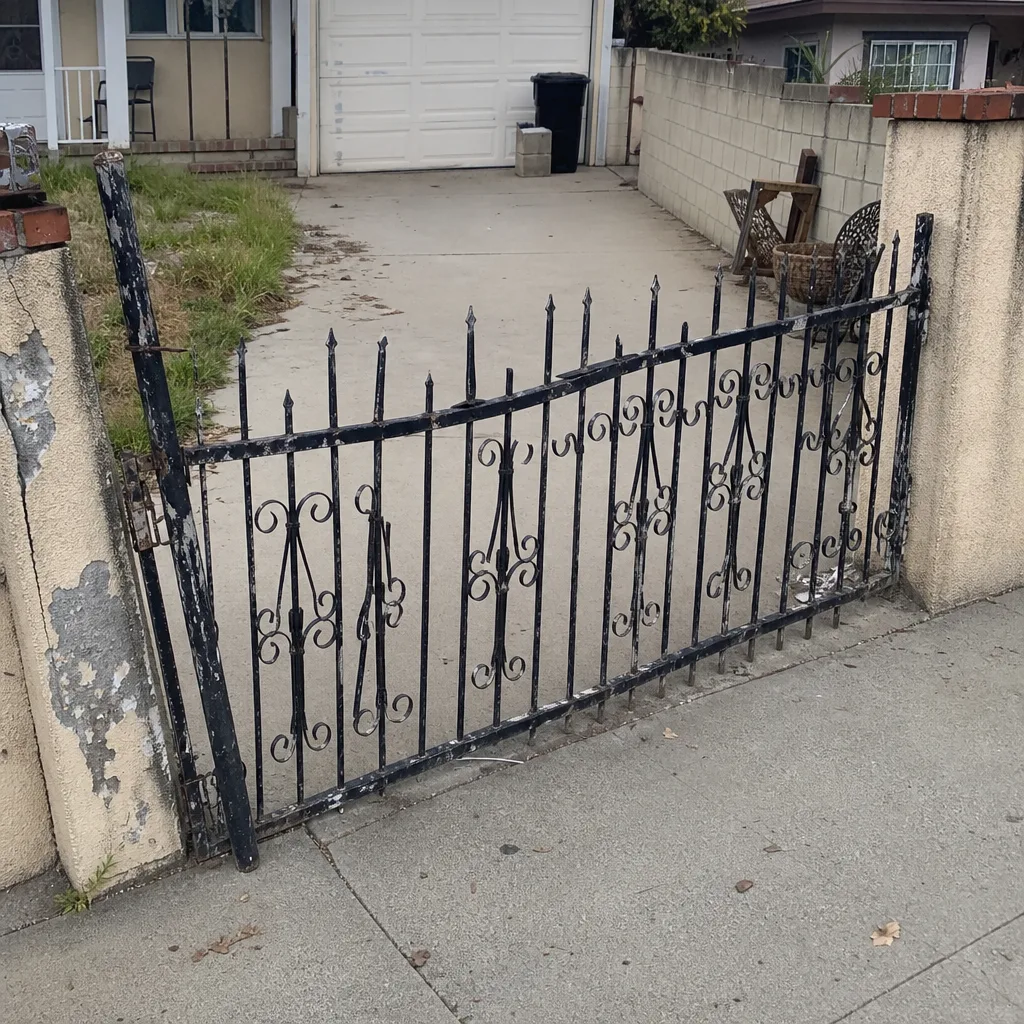 Before
 After
 Before
 After