
Last updated November 4, 2026
 Wrought iron
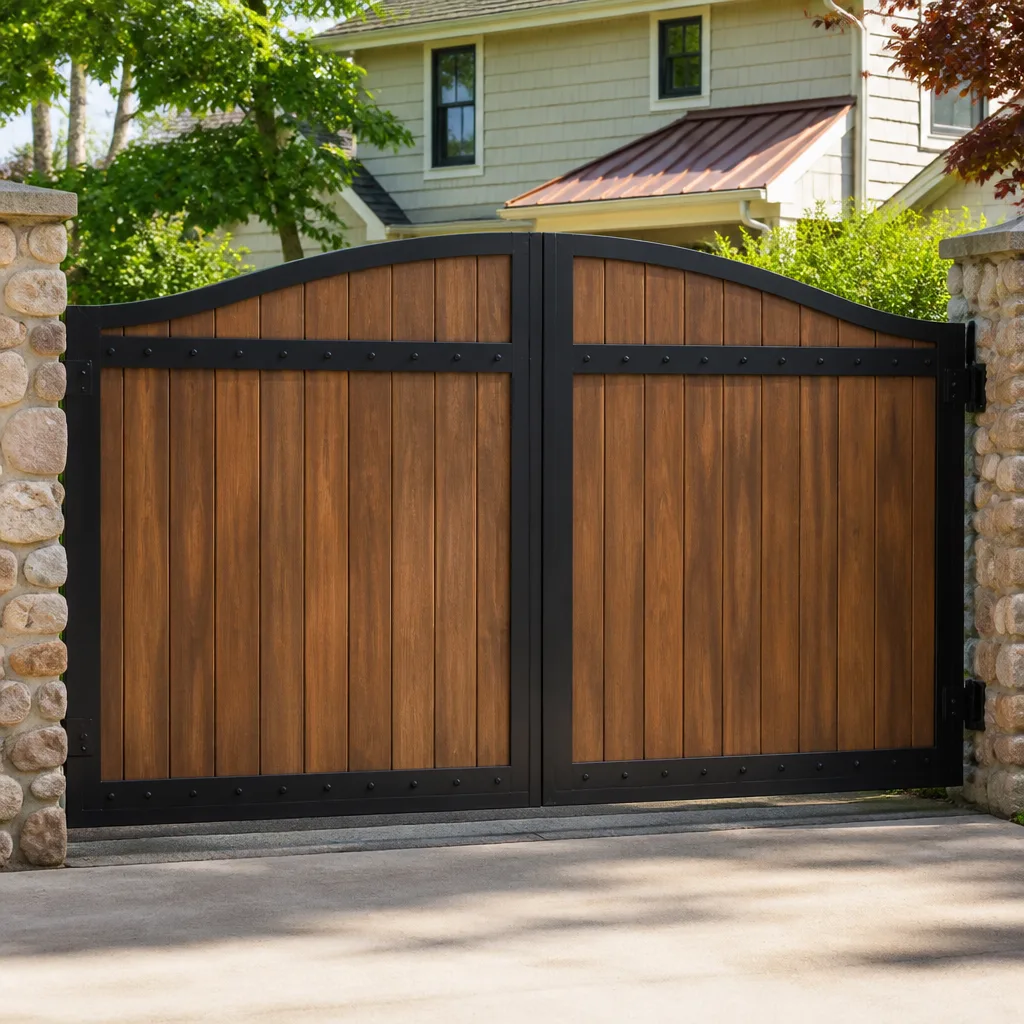 Wood & steel frame
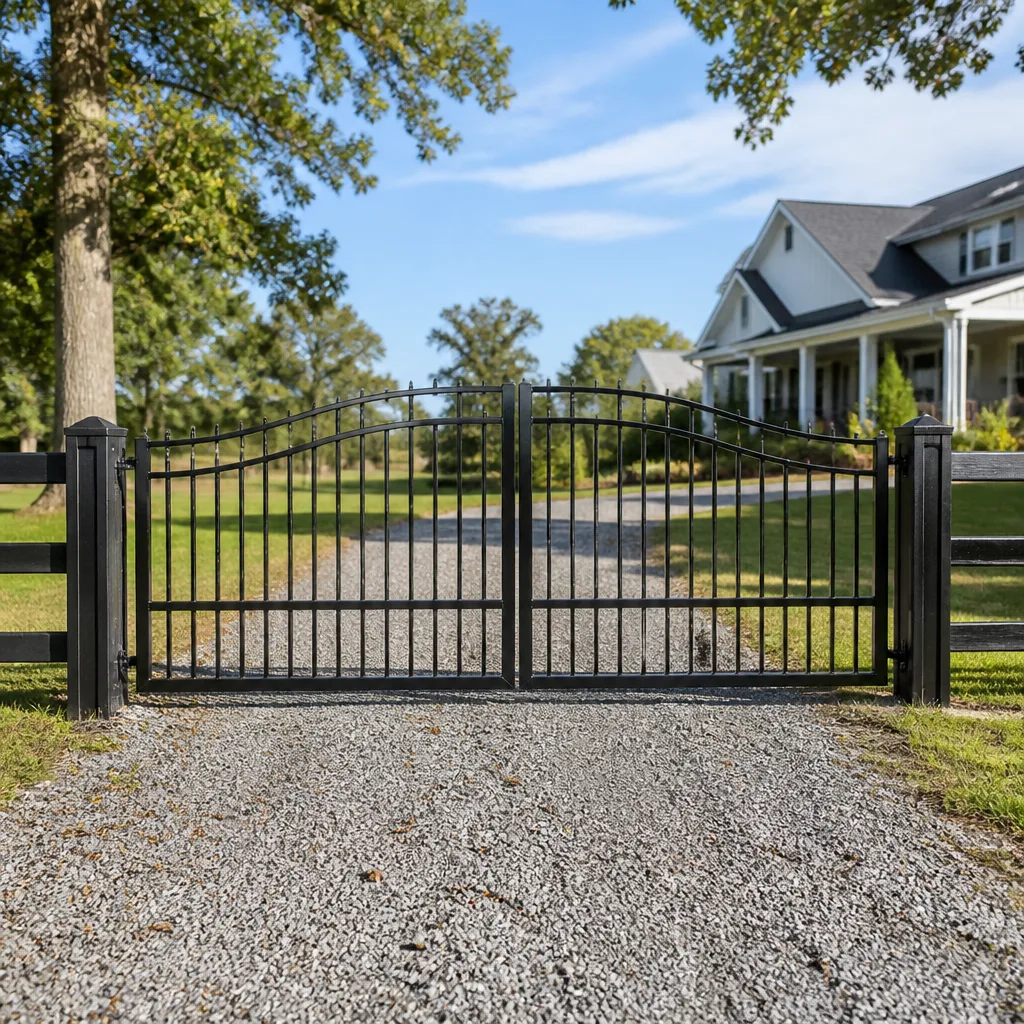 Farm & ranch
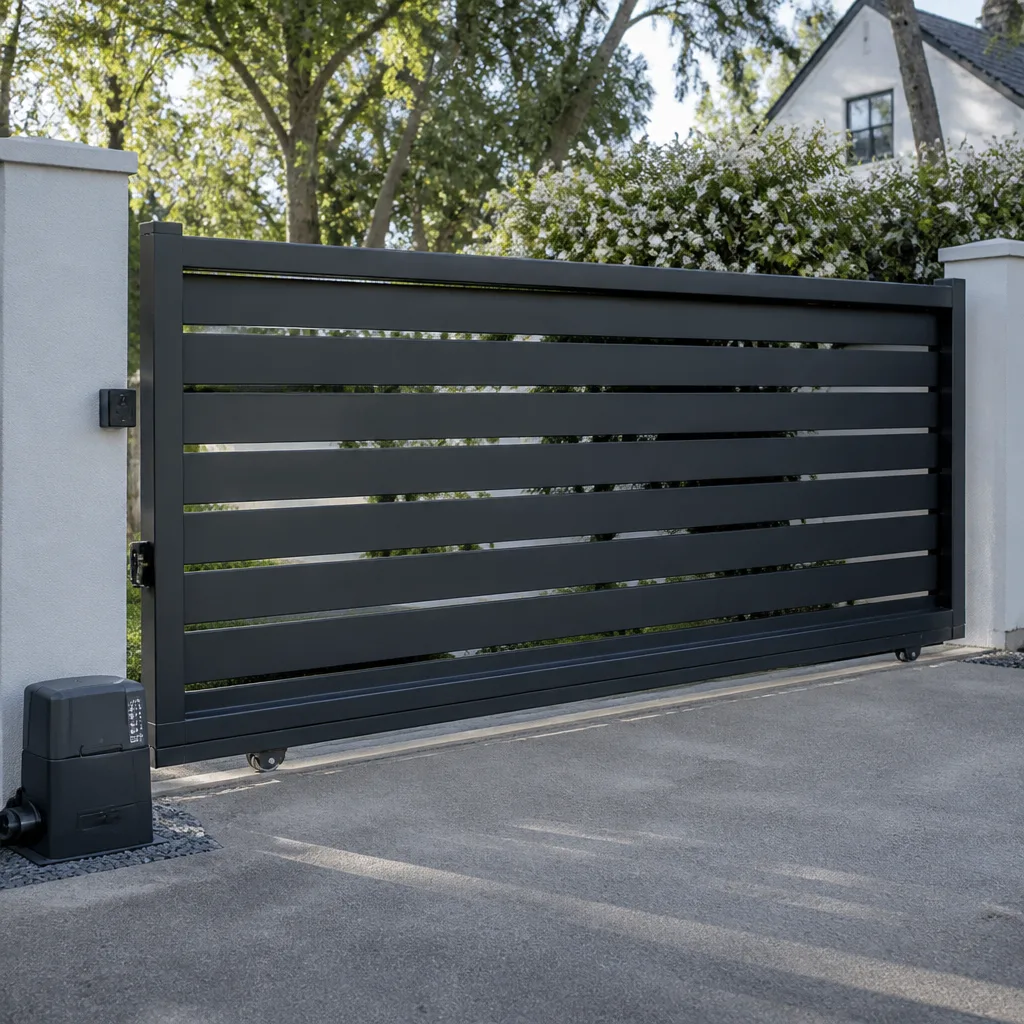 Sliding driveway gates
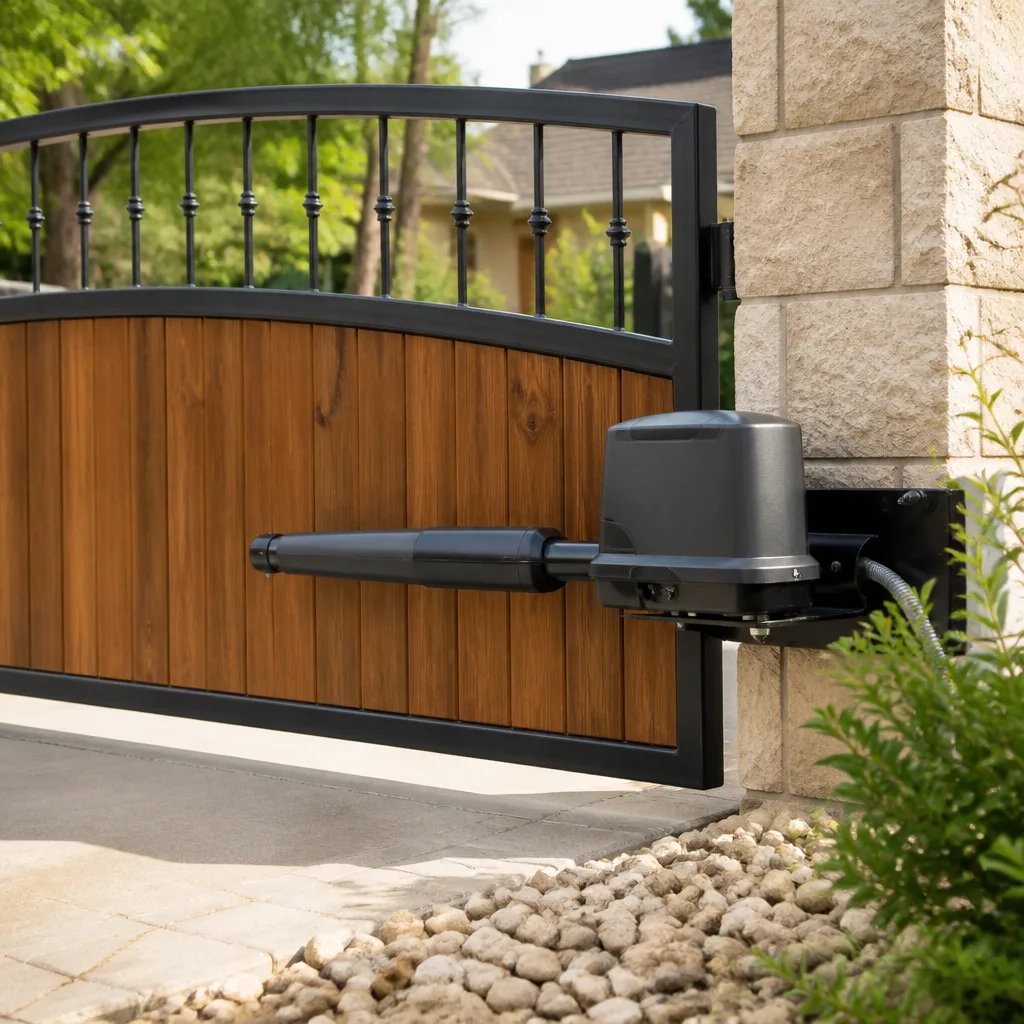 LiftMaster operators
Free on-site gate assessment - hinges, posts, and your LiftMaster or Nice gate operator checked before anything is quoted
The assessment is free and the quote is the invoice.
Get your free estimateSeasonal Gate Repair Care for Baldwin Park: Year-Round Homeowner’s Guide
Most Baldwin Park homeowners worry about their gate when it stops opening. By then, the damage is already done. The real gate killer in the San Gabriel Valley isn’t a dramatic storm or a sudden mechanical failure. It’s the slow accumulation of stress from conditions most people never think about: UV radiation cooking wire insulation through June, July, and August; Santa Ana wind events loading hinges with forces the original installation never anticipated; and winter rain saturating the clay-heavy soil around slide gate tracks and underground loop detectors. This guide explains what actually happens to gates in Baldwin Park’s specific climate, and the quarterly actions that prevent most failures before they start.
Styles & brands we work with
- Wrought iron
- Wood & steel frame
- Farm & ranch
- Sliding driveway gates
- LiftMaster operators
Quick Answer
Seasonal gate care in Baldwin Park means inspecting swing gate hinges and slide gate tracks before the October Santa Ana wind season, load-testing operator battery backups before summer heat, checking for UV-related wiring degradation between June and September, and walking the gate after every significant rain event to catch track settlement or loop detector faults early. A quarterly inspection timed to the region’s actual stress points, wind, heat, and rain, prevents most emergency repairs.
Table of Contents
- Santa Ana Wind Events: The Underrated Gate Killer
- Summer Heat and Gate Operators: Battery Backup Load Testing
- UV-Related Wiring Degradation: The June to September Window
- Winter Rain Preparation: Slide Gates, Tracks, and Loop Detectors
- Post-Storm Checklist: Resuming Normal Automated Operation
- The Baldwin Park Quarterly Gate Care Rhythm
- Common Mistakes to Avoid
- When to Call a Professional
- Frequently Asked Questions
- The Bottom Line
Santa Ana Wind Events: The Underrated Gate Killer
Santa Ana winds are the single most underrated gate killer in Baldwin Park. A gate panel that handles normal daily wind loads without complaint can fail structurally when hit by sustained 50+ mph gusts, and the damage usually shows up in the hinge welds, not the operator. We’ve seen gates in Baldwin Park neighborhoods survive years of normal use, then develop a sag within a single October wind event because the hinge welds had been developing hairline fatigue cracks for months before the wind exposed them.
The physics is straightforward. A solid gate panel acts like a sail. Under normal conditions, the wind pushes against the panel and the hinges bear the load in compression. When a Santa Ana gust hits a gate that’s standing open, the same panel becomes a lever, and the force multiplies at the hinge points. Hinges that looked fine in August can shear in October, simply because the wind direction shifted from a push against the closed gate to a twist on the open panel.
What to check before October:
- Weld integrity at every hinge point. Look for rust staining around the weld, which often signals a crack beneath the surface. Run your finger along the weld; a developing crack feels like a hairline ridge.
- Sag on the latch side. Stand at the end of the gate and sight down the top rail. Any visible droop means a hinge has begun to yield.
- Play in the hinge barrels. Grab the gate at the latch side and lift. More than a quarter-inch of vertical movement means the hinge pins or barrels are worn.
- Track alignment on slide gates. Watch the gate move through its full travel and note any hesitation or wheel lift. A wheel that skips is already misaligned before the wind adds lateral force.
- Post base concrete. Inspect where the hinge post meets the concrete or footing. Cracks in the concrete, especially hairline cracks radiating from the post base, indicate the post has been working loose under past wind loads.
If any of these checks reveal an issue, have it addressed before the first Santa Ana event, not after. Fixing a hinge weld in September is a short gate repair visit. Replacing a sheared hinge and a twisted panel after a wind event is a different conversation entirely.
Summer Heat and Gate Operators: Battery Backup Load Testing
Battery backup systems on electric gate operators lose capacity above 90°F, and Baldwin Park routinely sees stretches of summer where ambient temperatures sit in the high 90s to low 100s. A battery that held a full charge through a mild spring will sag under a hot summer afternoon, and the operator’s control board will interpret the voltage drop as a fault. The result is a gate that works fine at 8 a.m. and refuses to respond at 3 p.m.
Most homeowners discover this on the one afternoon they really need the gate to work. The fix is annual load testing, done before peak heat arrives, not during it. A load test applies a measured draw to the battery and watches how voltage holds. A healthy battery holds its voltage under load. One nearing the end of its service life drops sharply, and the test catches it before it strands someone outside the gate in 100-degree heat.
What summer heat actually does to a gate system:
- Operator motor windings run hotter. Heat increases electrical resistance, and a motor that was fine in March may overheat and trip its thermal protection in August, especially on a heavy swing gate that cycles frequently during the day.
- Control boards drift out of tolerance. Heat affects the components on the board that read sensor inputs. A loop detector that worked reliably in spring can start giving false readings when the board bakes in direct sun.
- Plastic components warp. Limit switches, sensor housings, and even parts of the operator housing itself can deform slightly under sustained high heat, changing alignment and causing phantom fault codes.
- Remote receiver range shrinks. Hot weather, combined with the general radio interference that comes with summer utility loads across Southern California, can reduce the effective range of gate remotes by a noticeable margin.
For battery backup systems specifically, schedule a load test in May or early June. This gives you time to replace a weak battery before the hottest stretch of the year. If you have an electric gate repair need that involves a battery that only lasts an hour after a full charge, that’s a battery nearing the end of its useful life, and it’s better to address it in spring than in August.
UV-Related Wiring Degradation: The June to September Window
Southern California UV radiation accelerates wiring degradation from June through September, and the damage is most obvious on low-voltage wiring that runs outside of conduit, along gate posts, or through the gap between the gate and the operator. The insulation on this wiring hardens, cracks, and eventually exposes the conductor beneath. Once moisture gets in, the wire corrodes from the inside out, and the failure may not show up until weeks after the first rain.
What to look for during the summer months:
- Chalky or cracked insulation on any wire that sees direct sun. Run your thumbnail gently along the wire; if the insulation flakes, it’s UV-damaged.
- Discoloration. Dark, brittle patches on wire insulation are a sign that the plasticizers have leached out and the jacket is losing its flexibility.
- Loose conduit fittings. Sun-damaged conduit can crack or pull away from fittings, leaving the wire inside exposed to the elements.
- Faded wire ties. If the ties holding a wire to a gate post are sun-bleached and brittle, the wire itself has taken the same UV dose and should be checked closely.
The fix for UV-damaged wiring is replacement with UV-rated insulation, which is manufactured specifically to withstand extended sun exposure. On gates in direct southern or western exposure, this is particularly important, and it’s a common thing we address on gates across Baldwin Park homes that face the afternoon sun.
Winter Rain Preparation: Slide Gates, Tracks, and Loop Detectors
Baldwin Park’s clay-heavy soil expands when wet and shrinks when dry, and this seasonal movement plays havoc with slide gate tracks and underground loop detectors. During El Niño winters, the soil around a slide gate track can swell enough to shift the track out of alignment, and the gate then binds, skips, or throws itself off the track entirely.
The problem with underground loop detectors in wet clay is different. These loops are coils of wire buried in saw cuts in the driveway. When the surrounding soil becomes saturated, the electromagnetic field the loop generates changes, and the detector can start giving false readings: either failing to sense a vehicle on the loop, or sensing a vehicle that isn’t there. The result is a gate that refuses to close, or closes on a car that hasn’t cleared the opening.
Before the rains arrive, usually in November or December, walk through these checks:
- Track alignment. With the gate in the closed position, sight down the track from one end. It should run straight with no visible humps, dips, or side waves. A straight edge laid along the track will reveal any deviation.
- Track bed drainage. Look at where the track meets the driveway. Water should drain away from the track, not pool against it. If water pools, note it: the clay beneath will swell and the track will shift when the rain comes.
- Loop detector response. Drive a vehicle onto the loop and watch the gate. It should hold open while the vehicle is on the loop, then close after the vehicle clears. Any hesitation, chatter, or failure to hold open means the loop needs attention before wet weather makes the problem worse.
- Gate wheels. Check the wheels or rollers on a slide gate for flat spots, wobble, or debris buildup. A wheel that isn’t rolling freely will wear the track unevenly, and wet weather accelerates that wear.
- Post base and concrete. Inspect the base of the gate post and the track supports for cracks or settlement that has developed over the dry summer. Clay soil movement doesn’t only happen when it gets wet; the dry summer shrinkage can open cracks that rain then fills and widens.
If you find track misalignment in the dry season, fixing it is far simpler than waiting until the clay swells and the gate binds against a warped track. The same logic applies to the loop detector: a detector that’s marginal in dry conditions will be truly unreliable once the soil saturates.
Post-Storm Checklist: Resuming Normal Automated Operation
After any significant wind or rain event, before you resume normal automated operation, walk through a 10-minute checklist. The goal is to catch damage that’s not immediately obvious, but that will compound if left alone.
- Open and close the gate manually through its full travel. Listen for grinding, scraping, or changes in pitch from the operator. If anything sounds different than it did before the storm, investigate before trusting the gate to automation.
- Inspect the hinge welds and post bases. Walk to each hinge and look for fresh rust stains, which often appear when a hairline crack opens and moisture gets in. Check the concrete at the post base for new cracks.
- Check slide gate track for debris and water pooling. Remove leaves, mud, and anything else the storm carried into the track path. Check that water is not standing against the track, which means the drainage got overwhelmed and the clay beneath is absorbing water.
- Test the safety edges and photo eyes. With the gate opening, place an object in the path and confirm the gate reverses. A storm can knock a photo eye out of alignment or jar a safety edge connection loose, and both fail silently.
- Watch the gate close automatically after a vehicle passes the loop detector. Any change in response time or hesitation means the loop detector or its connection to the control board was affected by the storm.
- Check the operator housing. Look for water ingress, especially if the wind drove rain horizontally. Any moisture inside the operator means the gaskets or seals need attention before the next event.
If the checklist turns up anything questionable, call a specialist before the gate is under load again. A gate that works “mostly fine” after a storm is a gate that will fail at the least convenient moment, and the damage from a few days of inattention is usually far more extensive than what a same-day Gate Repair Baldwin Park visit would have caught.
The Baldwin Park Quarterly Gate Care Rhythm
The most useful thing you can do for a gate in this climate is to align your care with the actual stress calendar, not a generic seasonal checklist written for somewhere with real winter. Baldwin Park’s gate stress points are predictable, and the quarterly rhythm below matches what we’ve learned from working on gates across the city.
January to March: post-rain assessment. The ground is saturated, the clay has swelled, and any track settlement or loop detector instability that developed over the winter is now visible. This is the time to check slide gate track alignment carefully, test loop detector response on wet days, and inspect post bases for new cracks. For automated systems, this is a good window to verify that battery backups are recharging properly after any cold-weather draws.
April to June: pre-heat preparation and pre-wind inspection. Before the summer heat arrives, load-test the operator battery backup and replace it if it shows any signs of weakness. Check the operator motor’s thermal protection by cycling the gate several times on a warm day. And begin the pre-Santa Ana hinge and track inspection early, because October comes faster than most people expect.
July to September: UV and heat monitoring. This is when wiring insulation bakes, control boards drift, and motors run hot. Inspect all exposed wiring for chalkiness or cracking, and check the operator housing for signs of heat stress. If the gate hesitates or the remote range shrinks during the hottest part of the day, note it: heat-related issues are easier to diagnose now than once they become full failures in October wind.
October to December: Santa Ana and first-rain readiness. Complete the full hinge and track inspection before the first major wind event. Test the gate under actual windy conditions if possible, watching for panel deflection or hinge movement. Then, as the first rain approaches, walk through the winter rain preparation steps for slide gates and loop detectors, and get any wet-weather issues addressed before the clay soil swells.
The rhythm works because it addresses the actual conditions in Baldwin Park, not a generic four-season schedule. For most homeowners, an hour of attention per quarter is enough to catch the problems that lead to expensive repairs, and the quarterly timing makes it hard to forget.
Common Mistakes to Avoid
- Ignoring a sagging gate until it binds. A gate that sags a quarter-inch on the latch side is already telling you a hinge is yielding. Wait until it binds against the post or the ground, and you’re replacing hinges and possibly the panel itself.
- Testing the battery backup only when the power goes out. If the only time you learn your battery is dead is during a power outage, you’ve waited too long. Load-test it annually in spring, before summer heat reduces capacity further.
- Assuming a slide gate track is “set and forget.” Baldwin Park’s clay soil moves with moisture, and a track that was perfectly aligned when installed will not stay that way forever. Check alignment every quarter, and especially before the winter rains.
- Running the gate through its cycle after a storm without checking safety edges. A jarred photo eye or loose safety edge connection can fail silently, and the first sign of the problem is a gate that closes on a car or a person. Check safety devices before trusting the gate to automation.
- Ignoring sun-bleached wire ties. If the ties holding wires to the gate post are brittle, the wires themselves have taken the same UV dose. That’s a warning sign to inspect the insulation before rain gets into an exposed conductor.
- Putting off a hinge weld repair until “next season.” Hairline cracks in hinge welds don’t get better with time. They get rust, then moisture, then sudden failure on a windy day. Fixing the weld now is always cheaper than replacing a sheared hinge and a bent panel.
- Treating a loop detector fault as “just a glitch.” A loop detector that occasionally misses a vehicle or chatters when the soil is wet is not glitching. It’s telling you the loop or the detector is failing, and wet weather will make it worse, not better.
When to Call a Professional
Many of the checks in this guide are things a careful homeowner can do in an hour, and we encourage that. But some issues need a trained eye and proper tools. If you find a cracked hinge weld, a gate that binds during travel, a battery backup that fails a load test, or a loop detector that behaves inconsistently, call a specialist before the problem compounds. Gate Repair Baldwin Park works on the brand you already have, whether it’s a Mighty Mule on a driveway or a FAAC system on a commercial lot, and we diagnose the fault the first visit rather than guessing. Gate Repair Baldwin Park offers free estimates in Baldwin Park. Call (855) 679-6795. We answer 24/7. Fast dispatch from 7am to 7pm, Sunday through Friday. The estimate is free, and the price is agreed in writing before any work starts.
Frequently Asked Questions
Inspect hinge welds for hairline cracks, check for sag on the latch side, test for play in the hinge barrels, and verify slide gate track alignment before October. Any weld that shows rust staining or feels cracked should be repaired before the first major wind event, because a gate panel that fails under 50+ mph gusts usually fails at the hinge welds, not the operator.
Battery capacity drops as ambient temperature rises above 90°F, and Baldwin Park regularly exceeds that threshold in July and August. A battery that held a full charge in spring can lose enough capacity in summer heat to trigger a low-voltage fault on the control board, which is why we recommend annual load testing in May or early June, before peak heat.
Baldwin Park’s clay-heavy soil swells when saturated, and that movement can shift a slide gate track out of alignment, causing the gate to bind, skip, or come off the track. Before the winter rains, check track alignment with a straight edge and ensure drainage carries water away from the track bed rather than pooling against it.
UV radiation from the Southern California sun breaks down the plasticizers in wire insulation, making it brittle and eventually cracked, and the damage accelerates between June and September. Check for chalky or cracked insulation, discoloration, and brittle wire ties on any exposed low-voltage wiring, especially on gates with south or west exposure.
Manually open and close the gate through its full travel listening for new noises, inspect hinge welds and post bases for fresh cracks or rust, clear debris and standing water from slide gate tracks, test safety edges and photo eyes, and verify that the gate closes automatically after a vehicle clears the loop detector.
Quarterly homeowner inspections tied to the local climate are the most effective rhythm: post-rain track and loop checks in winter, pre-heat battery load testing and hinge inspection in spring, UV and heat monitoring in summer, and pre-Santa Ana and pre-rain preparation in fall. Any questionable finding calls for a professional diagnostic visit before the next seasonal stress arrives.
The Bottom Line
Baldwin Park doesn’t have dramatic seasons, but it has a predictable cycle of gate stress that most homeowners ignore until a gate fails. Santa Ana winds exploit weak hinge welds. Summer heat reduces battery capacity and cooks wiring insulation. Winter rain swells clay-heavy soil and shifts slide gate tracks. The quarterly rhythm in this guide, timed to those actual conditions, prevents most emergency repairs. Walk your gate once a quarter, look at the specific stress points for the coming season, and call a professional when something is questionable. If you find an issue, Gate Repair Baldwin Park offers free estimates. Call (855) 679-6795. We answer 24/7. Fast dispatch from 7am to 7pm, Sunday through Friday.
Written by the team at Gate Repair Baldwin Park, serving Baldwin Park since 2015.
See the difference
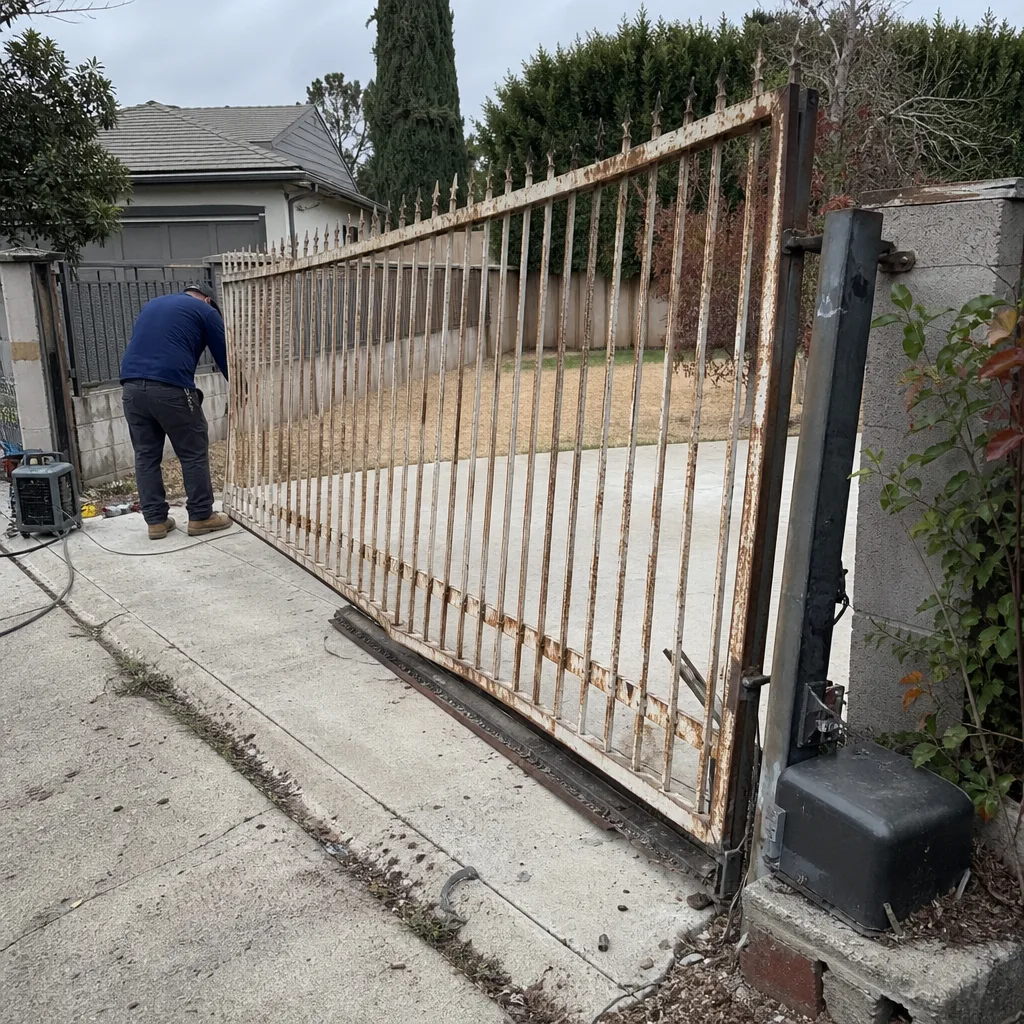 Before
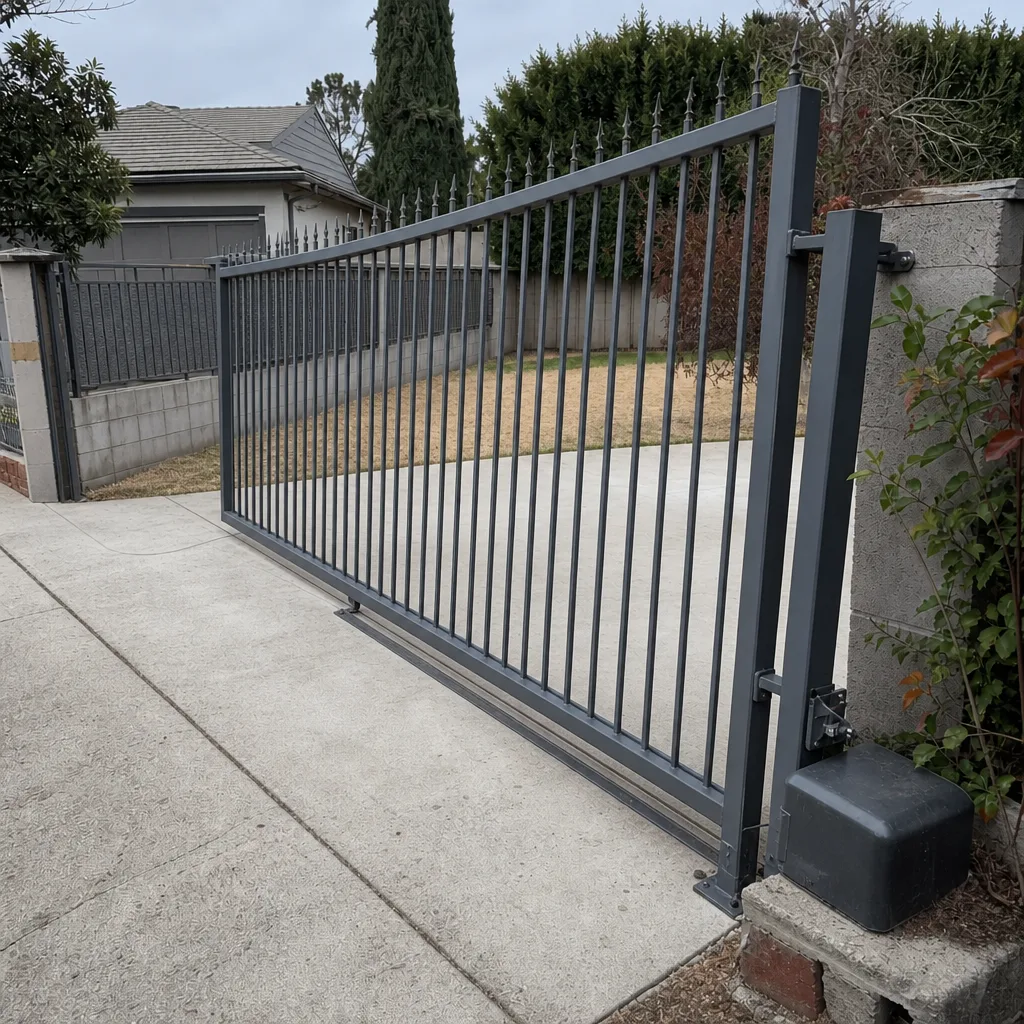 After
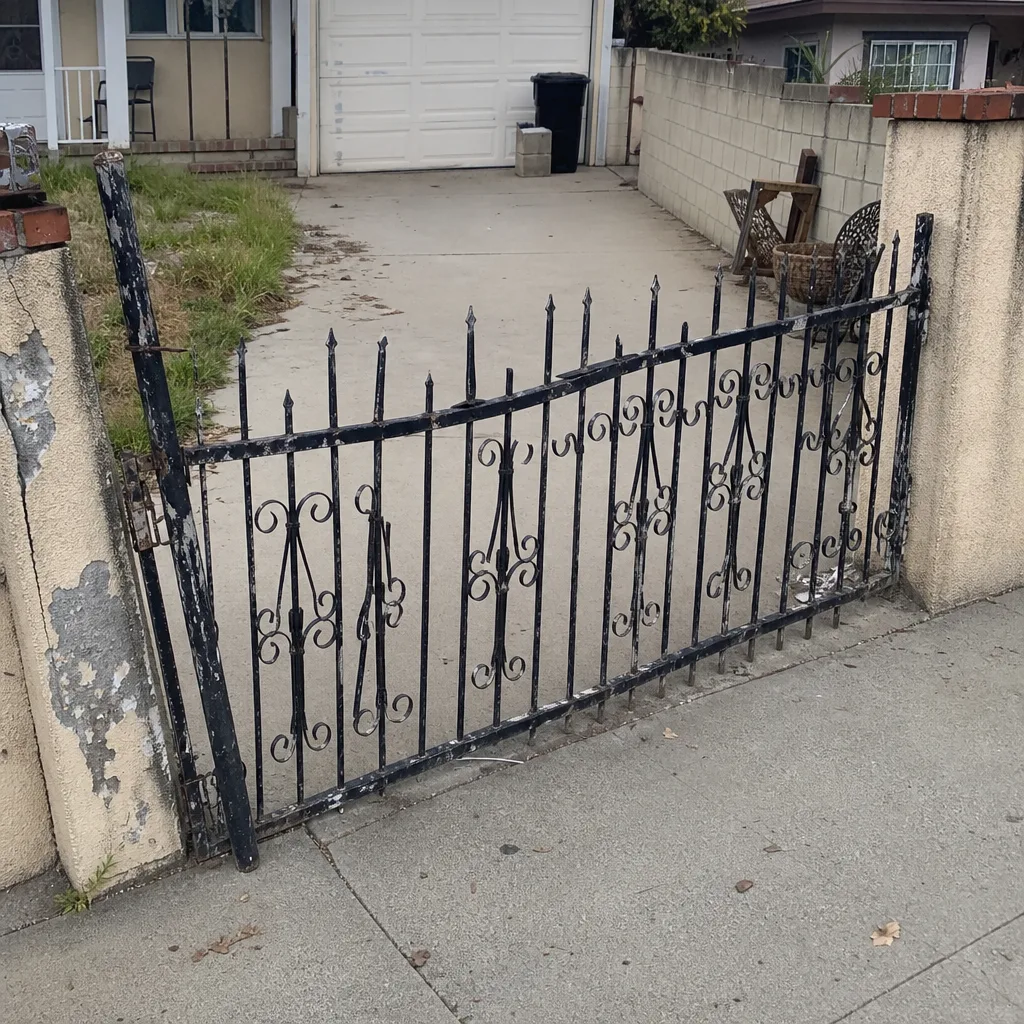 Before
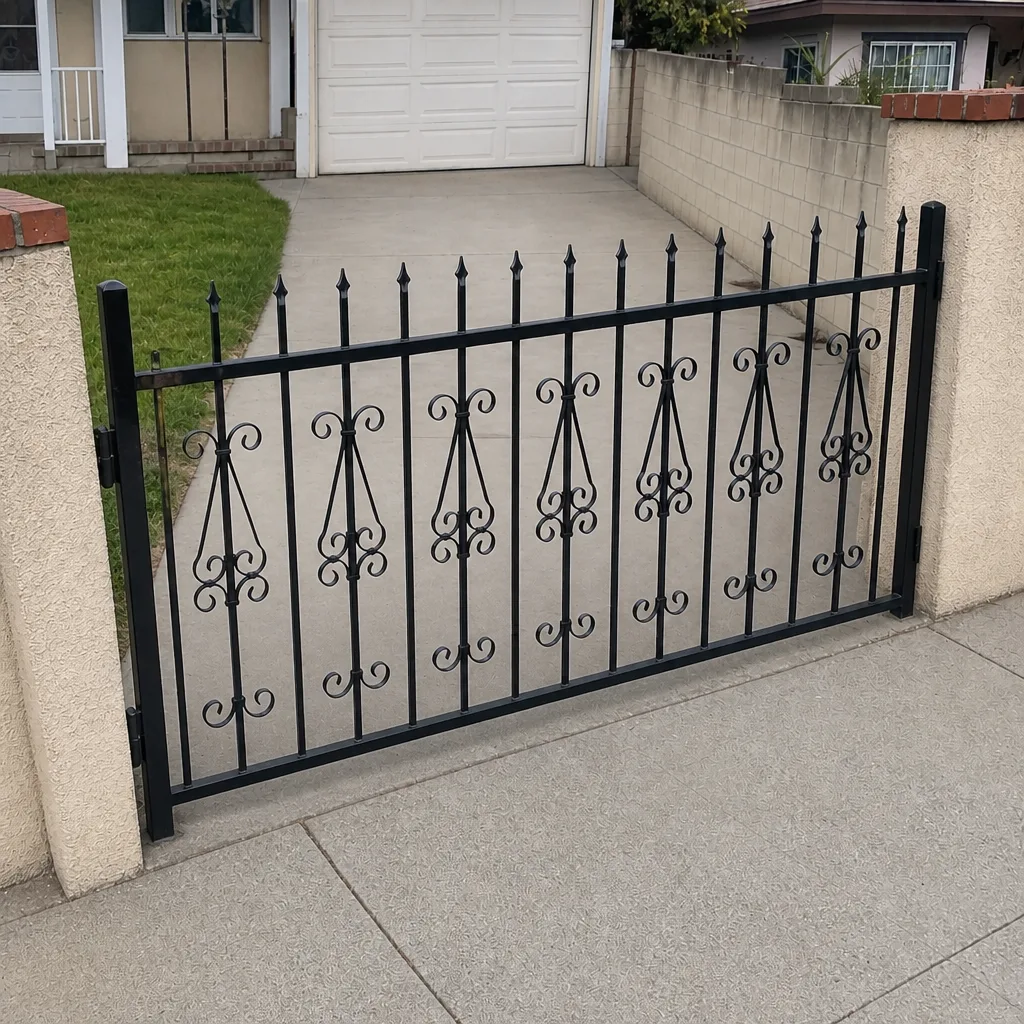 After
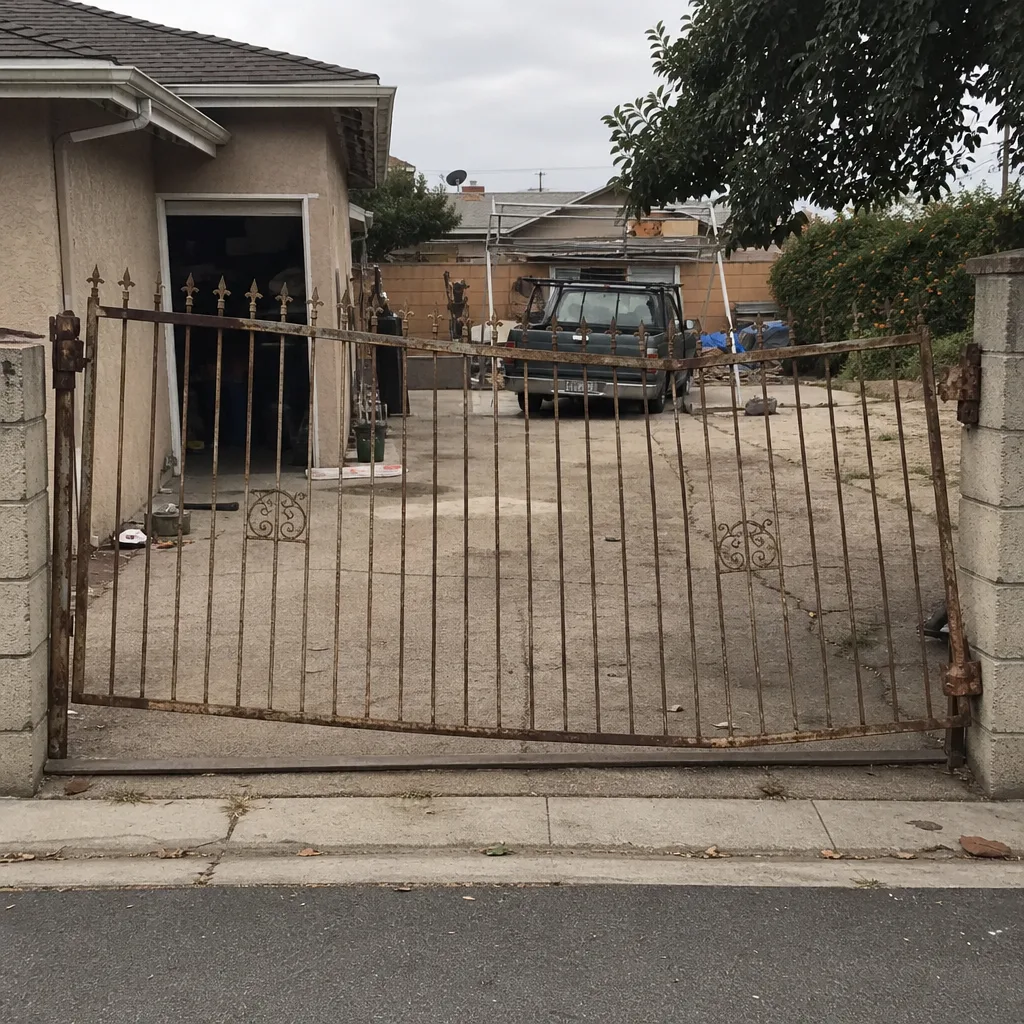 Before
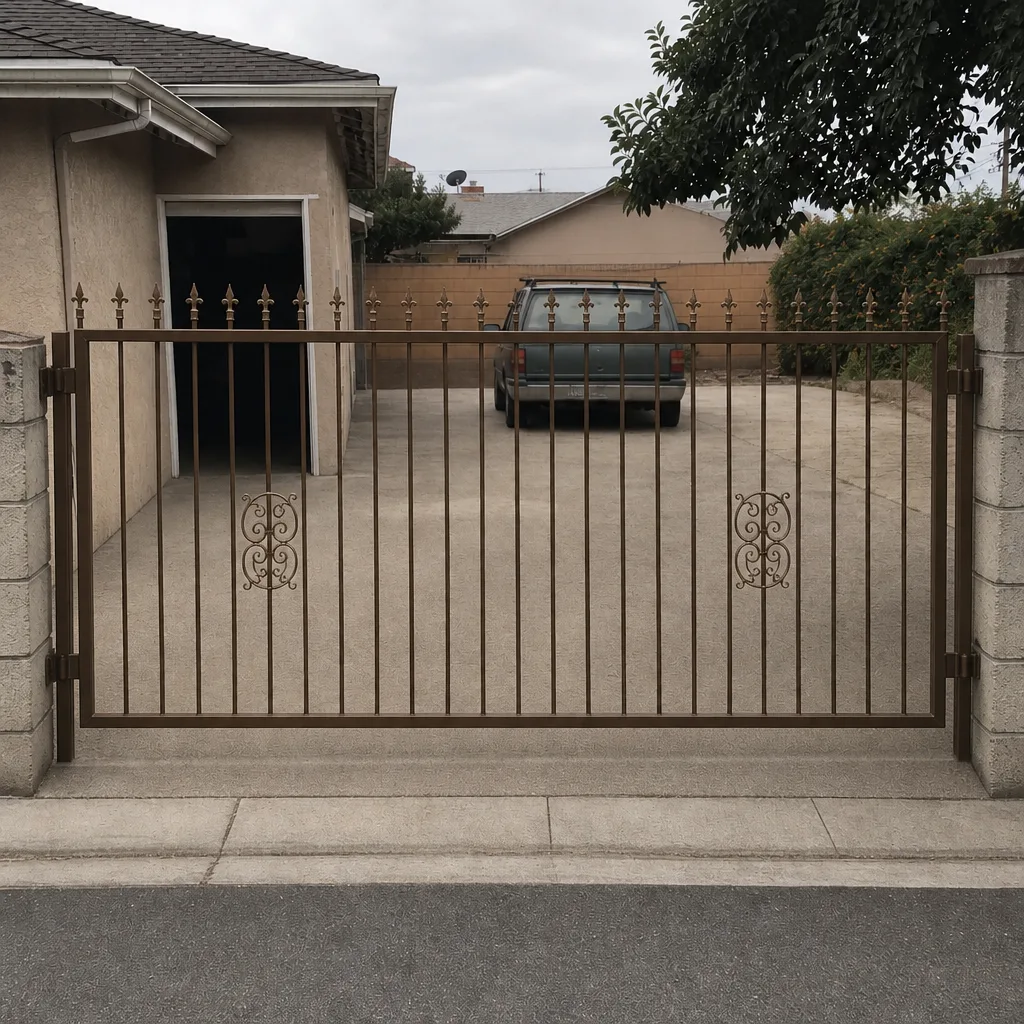 After