
Last updated November 4, 2026
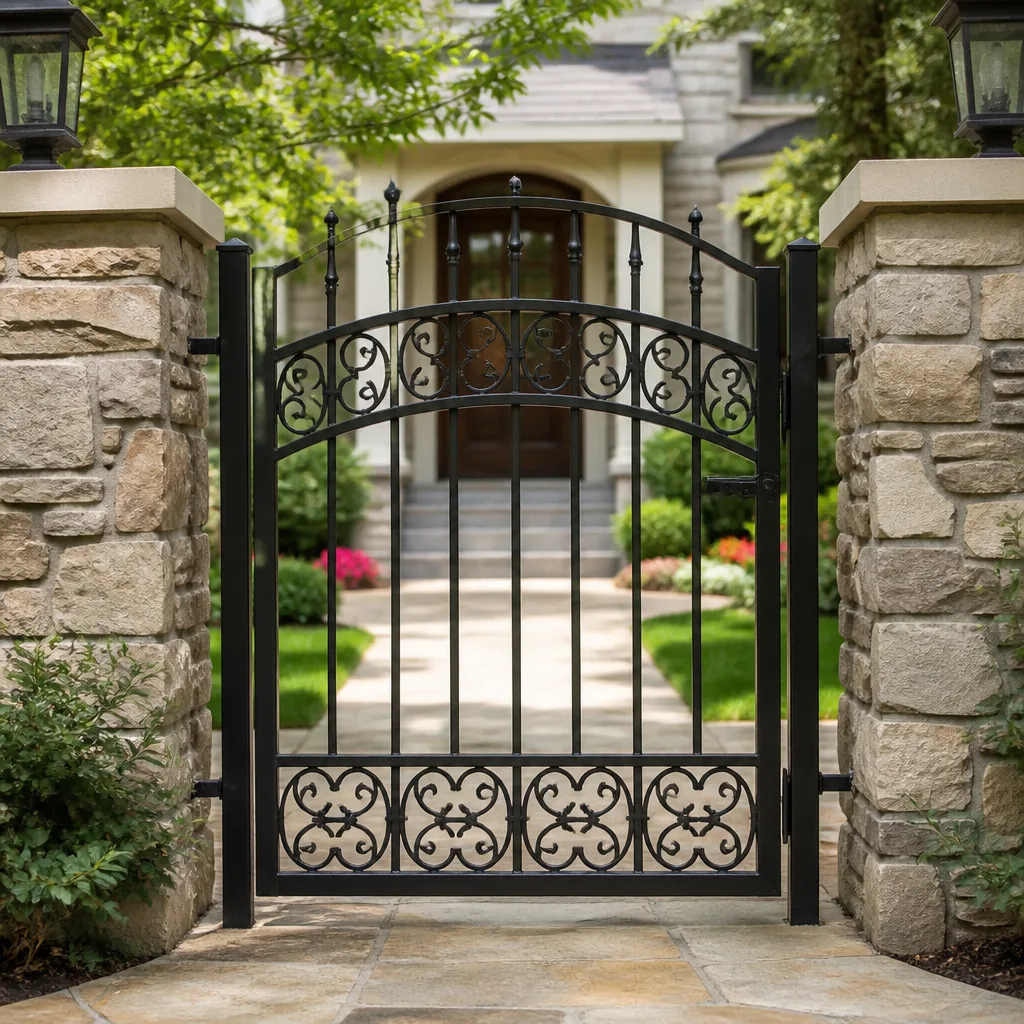 Wrought iron
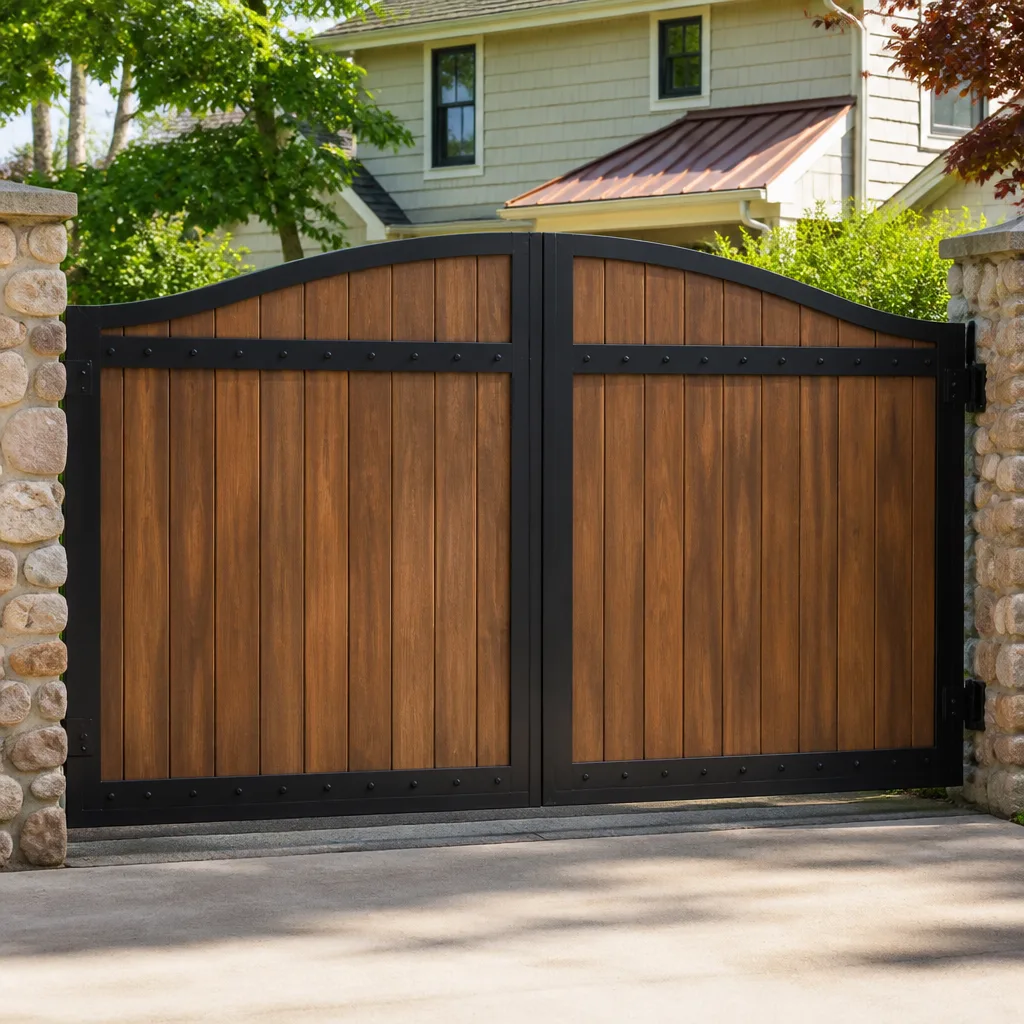 Wood & steel frame
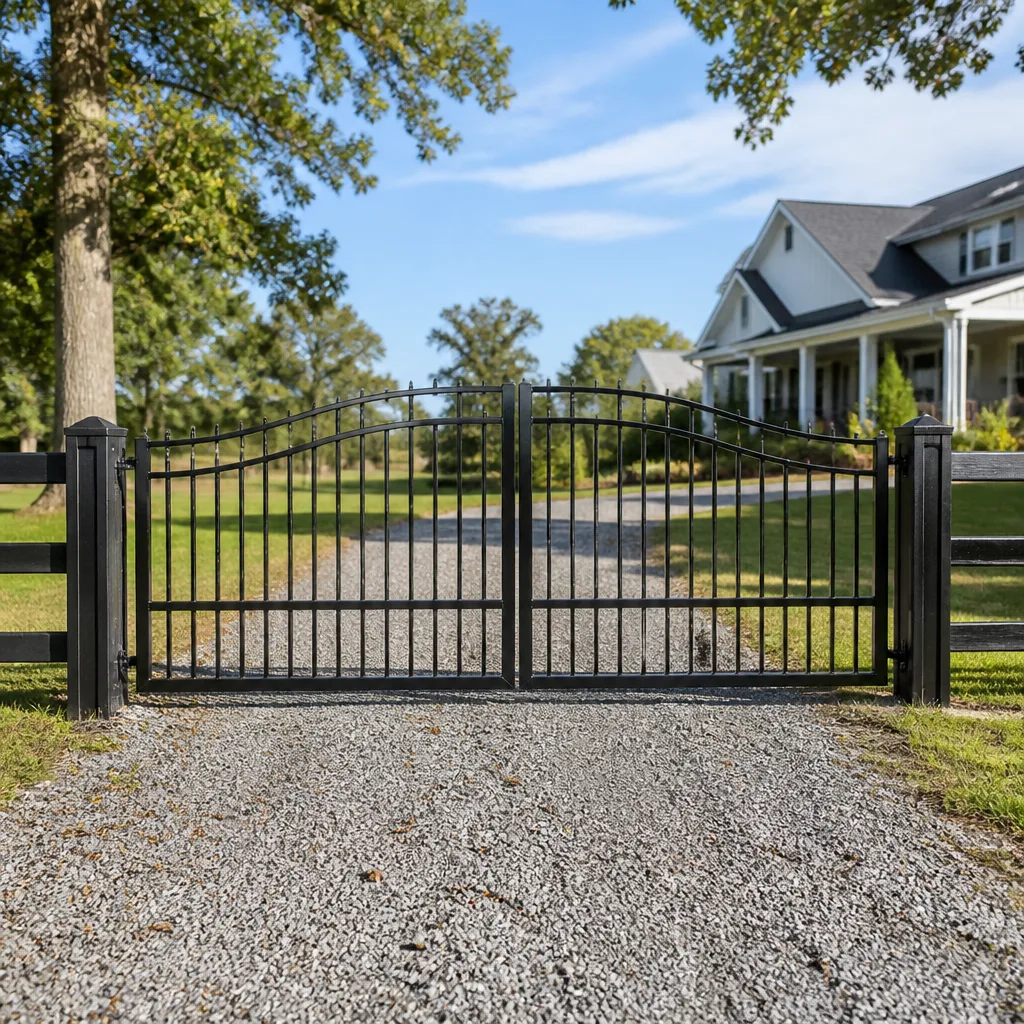 Farm & ranch
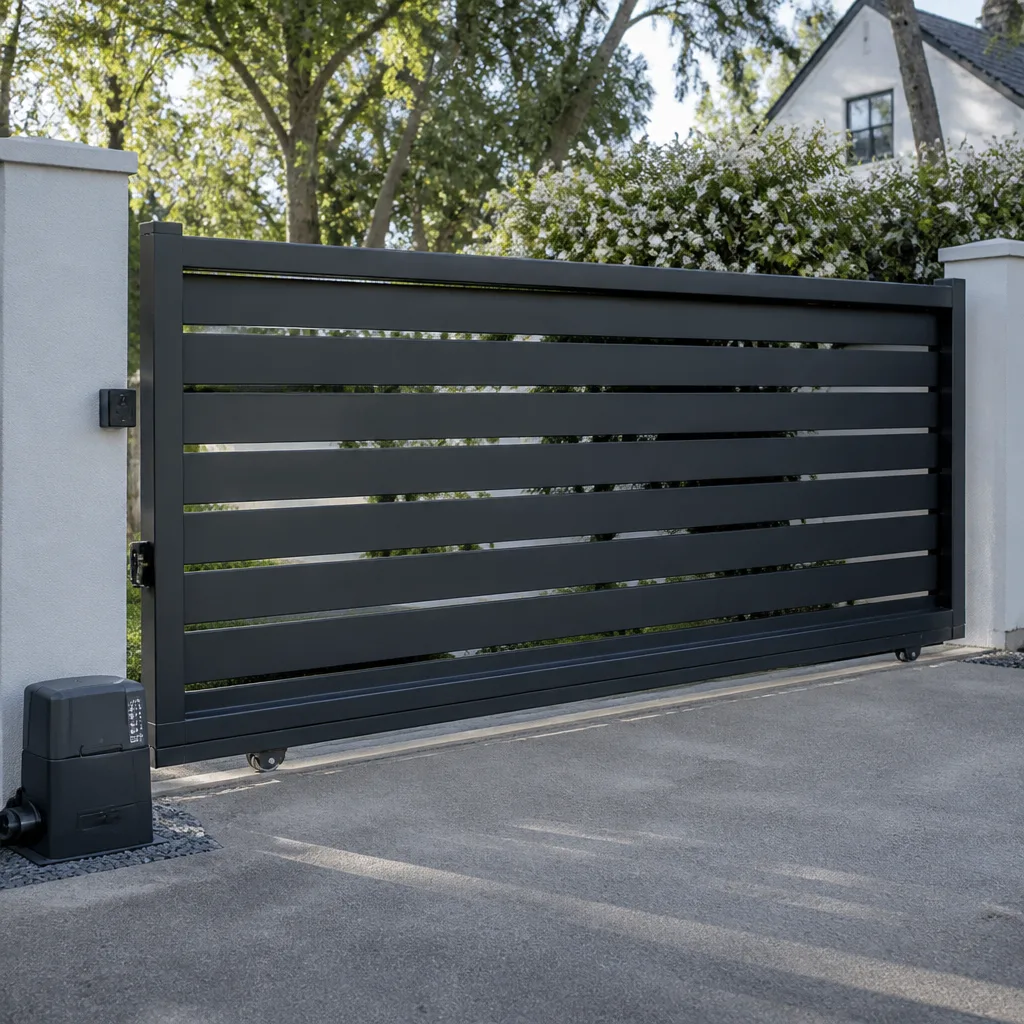 Sliding driveway gates
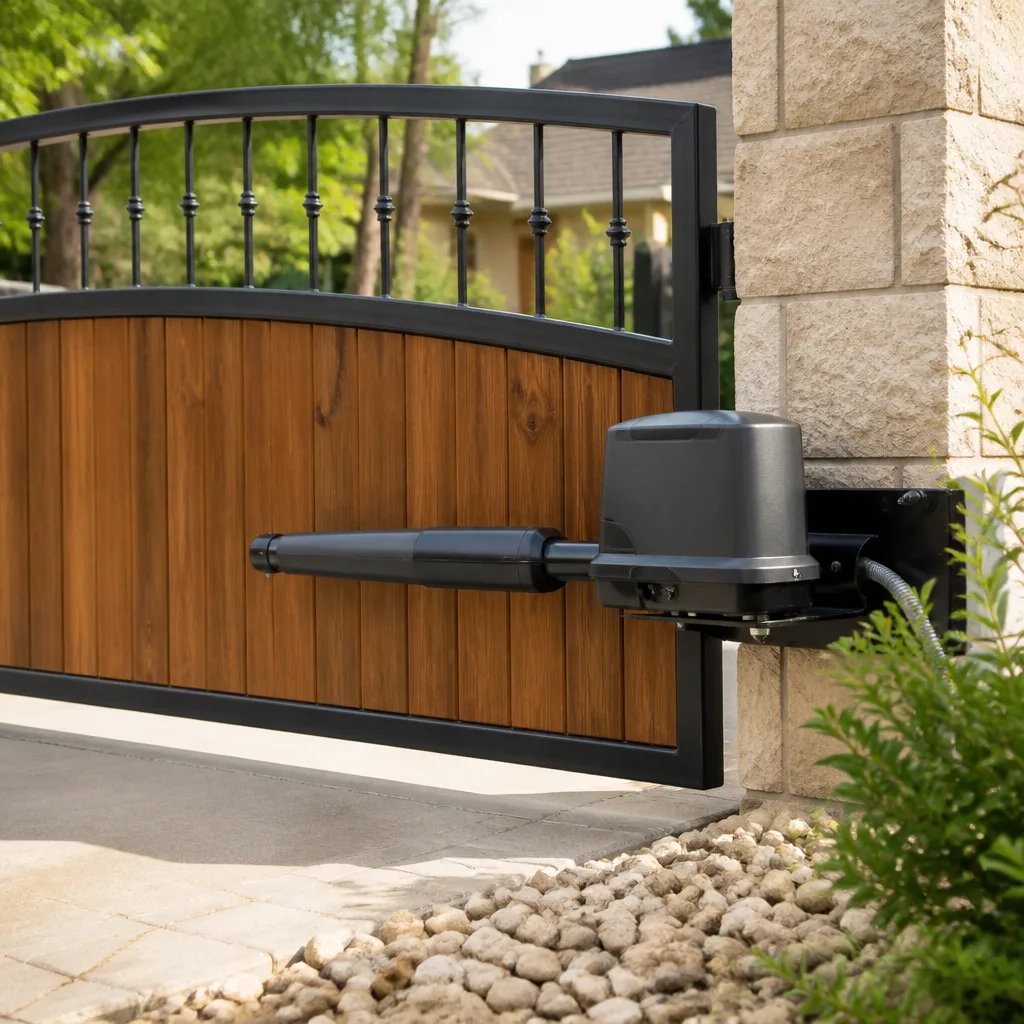 LiftMaster operators
Free on-site gate assessment - hinges, posts, and your LiftMaster or Nice gate operator checked before anything is quoted
The assessment is free and the quote is the invoice.
Get your free estimateGate Repair Permits, Codes & Inspections in Baldwin Park, CA: What You Need to Know
Here’s the part most Baldwin Park homeowners miss: swapping out a tired gate opener for a newer model feels like routine maintenance, but if that newer unit changes the gate’s operating force or adds a safety device the original never had, the City of Baldwin Park may consider it an alteration, not a like-for-like repair. When a gate injures someone, the first thing an insurance adjuster or opposing attorney asks for is the permit history. A homeowner who can’t produce documentation for gate work done years ago learns too late that “it was working fine” isn’t a legal defense. This guide walks through exactly when Baldwin Park requires a permit for gate work, what inspectors look for, how UL 325 factors in, and what paperwork you should keep on file permanently.
Quick Answer
In Baldwin Park, like-for-like gate repairs (replacing a hinge, a wheel, a control board with an identical part) generally don’t require a permit. But if you’re installing a new automated gate operator, moving or widening a gate, altering gate height, or adding electrical service to automate a gate that was previously manual, expect to pull a permit through the City of Baldwin Park Building Division. Work must also meet UL 325 safety standards for automated operators, and failing to document permitted work creates real problems at resale or after an incident.
Styles & brands we work with
- Wrought iron
- Wood & steel frame
- Farm & ranch
- Sliding driveway gates
- LiftMaster operators
Table of Contents
- When Baldwin Park Requires a Permit for Gate Work
- Repairs vs. Alterations: Where Most Homeowners Get Confused
- UL 325 Compliance for Automated Gate Operators
- After-the-Fact Permit Applications in Baldwin Park
- HOA Overlay Rules: Baldwin Park Subdivisions Add Another Layer
- What Baldwin Park Inspectors Actually Check on a Gate
- Documentation Homeowners Should Keep on File
- Common Mistakes to Avoid
When Baldwin Park Requires a Permit for Gate Work
Baldwin Park, like most incorporated cities in Los Angeles County, adopts the California Building Standards Code with local amendments. The practical takeaway: any gate project that involves structural modification, new electrical work, or a change to the gate’s footprint or operation triggers a building or electrical permit. The threshold isn’t about how expensive the project is. It’s about what the work changes.
Here are the Baldwin Park gate projects that most commonly require a permit:
- New automated gate installation. Adding an electric operator to a gate that didn’t have one means new electrical wiring, a new circuit, and a new safety device. This is the clearest permit trigger.
- Replacing a manual gate with a motorized driveway gate. The gate itself changes category, not just parts. The city treats this as new work.
- Widening or relocating a gate opening. If posts are moved, new footings poured, or the gate’s swing arc changes, that’s a structural modification. A permit is typically required.
- Increasing gate height or changing gate material. Going from a 4-foot pedestrian gate to a 7-foot solid steel gate changes the load on posts and hinges. The city wants a plan review.
- Upgrading an operator that increases motor horsepower. Going from a ½ HP operator to a 1 HP operator on a commercial gate changes force and speed. Inspectors treat that as an alteration, not a repair.
At Gate Repair Baldwin Park, we’ve walked enough Baldwin Park property owners through this distinction to know it’s rarely explained clearly on city websites. A good rule: if you’re replacing the same part with the same spec, no permit. If you’re changing how the gate works, what it’s made of, or where it sits, ask the city first. We tell every customer the same thing: call the Building Division, describe the scope in two sentences, and ask specifically whether the project requires a permit. They’ll tell you.
Repairs vs. Alterations: Where Most Homeowners Get Confused
The California Building Code and local Baldwin Park practice draw a line between a repair and an alteration. A repair restores a gate to its original condition without changing its design, operation, or capacity. An alteration changes one of those three things. The confusion comes from projects that sit right on the line.
These gate repairs in Baldwin Park typically do not require a permit:
- Replacing a worn gate wheel, roller, or track guide.
- Swapping a failed control board for the same make and model.
- Replacing a gate hinge with an equivalent load-rated hinge.
- Repairing a welded joint that has cracked, without changing the gate’s dimensions.
- Replacing a photo eye or safety sensor with a compatible unit.
- Lubricating, adjusting, and tuning an existing operator.
These projects in Baldwin Park generally do require a permit:
- Converting a slide gate from chain drive to belt drive when the motor changes.
- Adding a battery backup system to an operator that didn’t have one, when new wiring is run.
- Changing a swing gate from single-leaf to double-leaf, which alters the load on the operator.
- Installing a new gate operator of a different brand with different electrical specs.
- Replacing an entire gate frame and panels when the footprint changes even a few inches.
For gate repair work that stays firmly in the repair category, the path is simple: diagnose, quote, replace, done. It’s the in-between projects that need a conversation with the city. If you’re unsure which bucket your project falls into, describe it to the Building Division in writing. A permit clerk can usually classify it in one phone call, and you’ll have a name and date to reference later.
UL 325 Compliance for Automated Gate Operators
UL 325 is a safety standard published by Underwriters Laboratories that covers automated gate operators. It matters in Baldwin Park because any new automated gate installation must meet the current version of the standard, and inspectors increasingly check for it during final sign-off. The standard governs entrapment protection: how a gate detects a person, a vehicle, or an object in its path and stops or reverses before causing injury.
Here’s what UL 325 compliance looks like on the ground in Baldwin Park:
- External entrapment protection devices. Every automated gate needs at least one monitored external device: photo eyes, contact edges, or both. A monitored device sends a signal to the control board continuously. If the device fails or disconnects, the gate won’t run. That’s the key difference between compliant and non-compliant installs.
- Inherent entrapment protection. The operator’s internal current sensing (the motor’s ability to detect resistance and reverse) must be set correctly for the gate’s weight and travel. A gate that keeps pushing against an obstruction without reversing is a UL 325 failure.
- Warning signage. UL 325 requires specific warning signs posted on both sides of the gate. Baldwin Park inspectors look for these on automated pedestrian gates and driveway gates.
- Proper force settings. The gate must reverse on contact with a solid object using no more than the force allowed under the standard. Over-tightening the operator so the gate “slams” shut may feel secure, but it’s a violation waiting to be discovered.
- Fail-safe or fail-secure lockout. The gate must behave predictably during a power loss. A gate that traps people inside a property during an outage is non-compliant.
What do non-compliant installs look like in the field? We’ve seen Baldwin Park gates with photo eyes wired but not monitored, meaning the gate appears to work but the safety device is decorative. We’ve seen contact edges mounted on only one side of a slide gate, leaving the trailing edge unprotected. We’ve seen operators with force settings cranked up after a gate started dragging, masking a mechanical problem instead of fixing it. These are the installs that fail inspections and create liability. Our team works on operators from DoorKing, Elite, Mighty Mule, and Ghost Controls regularly, and the UL 325 conversation is the same across every brand: the standard governs the system, not the badge on the control board.
After-the-Fact Permit Applications in Baldwin Park
If you bought a Baldwin Park home and discovered the automated gate was installed without a permit, or if you completed gate work years ago and never pulled one, the City of Baldwin Park handles this through an after-the-fact permit application. The process isn’t punitive, but it’s slower than pulling the permit originally because the work has to be inspected as-is, and anything not up to current code has to be corrected before sign-off.
The typical sequence in Baldwin Park looks like this:
- Contact the Building Division. Describe the unpermitted gate work. Ask whether it requires an after-the-fact permit application or whether it falls under a repair category that needs no permit at all.
- Submit an application. You’ll need a site plan showing where the gate sits, a description of the work completed, and often photos. If electrical work was involved, an electrical permit may be required as well.
- Pay the permit fee. After-the-fact permits in Los Angeles County cities typically cost more than the original permit would have, but the city’s fee schedule varies by project scope. Ask for the fee in writing.
- Schedule an inspection. An inspector will come out to verify the gate is safe, properly supported, and code-compliant. For automated gates, UL 325 compliance is the central item.
- Correct any deficiencies. If the inspector finds non-compliant wiring, missing safety devices, or structural issues, you’ll fix them and call for a re-inspection.
- Receive final sign-off. Once approved, the work becomes documented and permitted. This is the paper trail that protects you at resale and in any insurance or liability dispute.
Homeowners often ask us why they should open a can of worms voluntarily. The answer is practical. Unpermitted gate work surfaces during a home sale when a buyer’s inspector notes a gate with electrical wiring that has no permit record on file. It surfaces when an insurance adjuster denies a claim involving a gate-related injury because the installation was never approved. Clearing the record now is cheaper and less stressful than clearing it during escrow.
HOA Overlay Rules: Baldwin Park Subdivisions Add Another Layer
Baldwin Park has a number of subdivisions, condominium developments, and gated communities with homeowners associations. Where an HOA exists, its architectural guidelines and CC&Rs often impose gate restrictions that go beyond what the city’s code requires. The city permit tells you the work is legal. The HOA approval tells you the work is allowed in that community. You need both.
HOA rules we see regularly in Baldwin Park communities include:
- Gate style and color restrictions. An HOA may require all driveway gates to be a particular material (wrought iron, steel, wood) or a specific color. You can’t put a bright white vinyl gate in a community that mandates dark bronze steel.
- Height and transparency limits. Some HOA rules cap gate height below what the city allows, often to preserve sight lines through the neighborhood.
- Operator noise restrictions. A few communities limit the type of operator that can be installed, typically banning noisy chain-drive openers in favor of quieter belt-drive or hydraulic units.
- Landscaping modification rules. If the gate installation requires removing a hedge or re-grading a slope, the HOA’s landscape committee may need separate approval.
- Shared gate responsibilities. In a community with a shared entry gate, the HOA typically owns and maintains the common gate, while individual lot gates belong to the homeowner. Knowing which gate you’re responsible for changes who pulls the permit.
The sequence that avoids double work: check HOA restrictions first, then confirm city permit requirements, then schedule the work. Getting a city permit for a gate the HOA won’t approve means you’ve paid for a permit on a project that can’t move forward. We’ve helped Baldwin Park homeowners and property managers work through both layers, and the lesson is always the same: read the CC&Rs before you buy the gate.
What Baldwin Park Inspectors Actually Check on a Gate
A Baldwin Park gate inspection is usually quick, but it’s focused. The inspector isn’t going to admire the gate’s finish. They’re verifying that the work matches what the permit described and that the installation meets current safety standards. Knowing what they look for helps you avoid a failed inspection.
Here’s a typical inspector’s checklist for an automated gate in Baldwin Park:
- UL 325 safety devices. Photo eyes and contact edges are present, correctly positioned, and (on newer installs) monitored. The inspector may block the beam with a hand or a test board to verify the gate reverses.
- Entrapment zones. For a swing gate, the inspector checks the hinge and latch areas for pinch points. Slide gates get a look at the trailing edge and the opening between gate and fence.
- Force settings. The gate should stop or reverse on contact with an obstruction without excessive force. An operator that pushes through resistance is flagged.
- Electrical work. Wiring must be in conduit where required, connections in weatherproof boxes, and the circuit properly grounded and GFCI-protected where applicable.
- Footings and post support. If the permit involved new posts or footings, the inspector may request photos or verify depth before concrete is poured. They’re checking that the gate’s weight is supported properly, not that the concrete looks pretty.
- Gate travel limits. The gate must open and close fully without striking posts, vehicles, or structures. Travel limits set incorrectly are a common small correction.
- Warning signs. UL 325 signage posted and legible on both sides of the gate.
- The permit itself. The city’s approved permit with the project address, scope of work, and permit number. A PDF copied to a cloud drive is fine, but keep the original too.
- The inspector’s sign-off. The final inspection approval showing the work passed. This is the document that proves the gate was code-compliant at the time of installation.
- A written description of the work. What was installed, what was replaced, what brand and model of operator went in. This doesn’t have to be a formal document. A dated note from the contractor or a detailed invoice works.
- The contractor’s name and license. Who did the work, what license they held at the time, and their contact information. If questions come up later, you need to reach them.
- UL 325 compliance information. The operator manual often includes a compliance statement. Keeping the manual with the permit file ties the documentation together.
- Photos of the completed work. Dated photos of the gate, the operator, the safety devices, and the electrical connections. A few photos taken on the day of completion settle disputes years later.
- HOA approval letter. If an HOA is involved, the written approval for the gate work belongs in the same file as the city permit.
- Assuming a gate repair never needs a permit. A simple hinge replacement doesn’t. But if the repair changes the gate’s operation, force, or footprint, Baldwin Park may classify it as an alteration. When in doubt, ask the Building Division before work starts.
- Upgrading an operator without checking UL 325 requirements. A newer, more powerful motor changes the game. Without monitored safety devices, the install may work but won’t pass inspection and creates liability.
- Skipping the HOA review. City approval and HOA approval are separate tracks in many Baldwin Park subdivisions. A permitted gate that violates CC&Rs can be ordered removed or modified at the homeowner’s expense.
- Hiding from after-the-fact permits. Unpermitted gate work doesn’t disappear by ignoring it. It surfaces at resale, during insurance claims, or when an incident occurs. Clearing it voluntarily is always cheaper.
- Keeping no documentation. A gate repair done correctly but documented nowhere is nearly as risky as one done incorrectly. Keep the invoice, the photos, and the permit.
- Treating gate automation as a plug-and-play project. A Mighty Mule operator on a Baldwin Park driveway still involves wiring, force settings, and entrapment protection. The brand doesn’t exempt the work from code.
- Setting gate force too high to mask a mechanical problem. When a gate drags and the operator gets cranked up so it “works,” the underlying issue is still there, and the gate is now a safety hazard. Fix the mechanical problem, then reset the force correctly.
Most failed gate inspections in Baldwin Park come down to one of three things: a missing contact edge, a photo eye that’s not monitored, or electrical connections made without a permit reviewer seeing the circuit. Fix those before the inspector arrives and the visit usually goes smoothly.
Documentation Homeowners Should Keep on File
After any permitted gate repair or installation in Baldwin Park, there’s a short list of paperwork worth keeping permanently. Not for a year, not until the next project. Permanently. Here’s what belongs in that file:
The documentation list matters most at two moments: when you sell the house and when something goes wrong. Either way, a clean paper trail for electric gate repair or installation work is worth more than the cost of a file folder.
Common Mistakes to Avoid
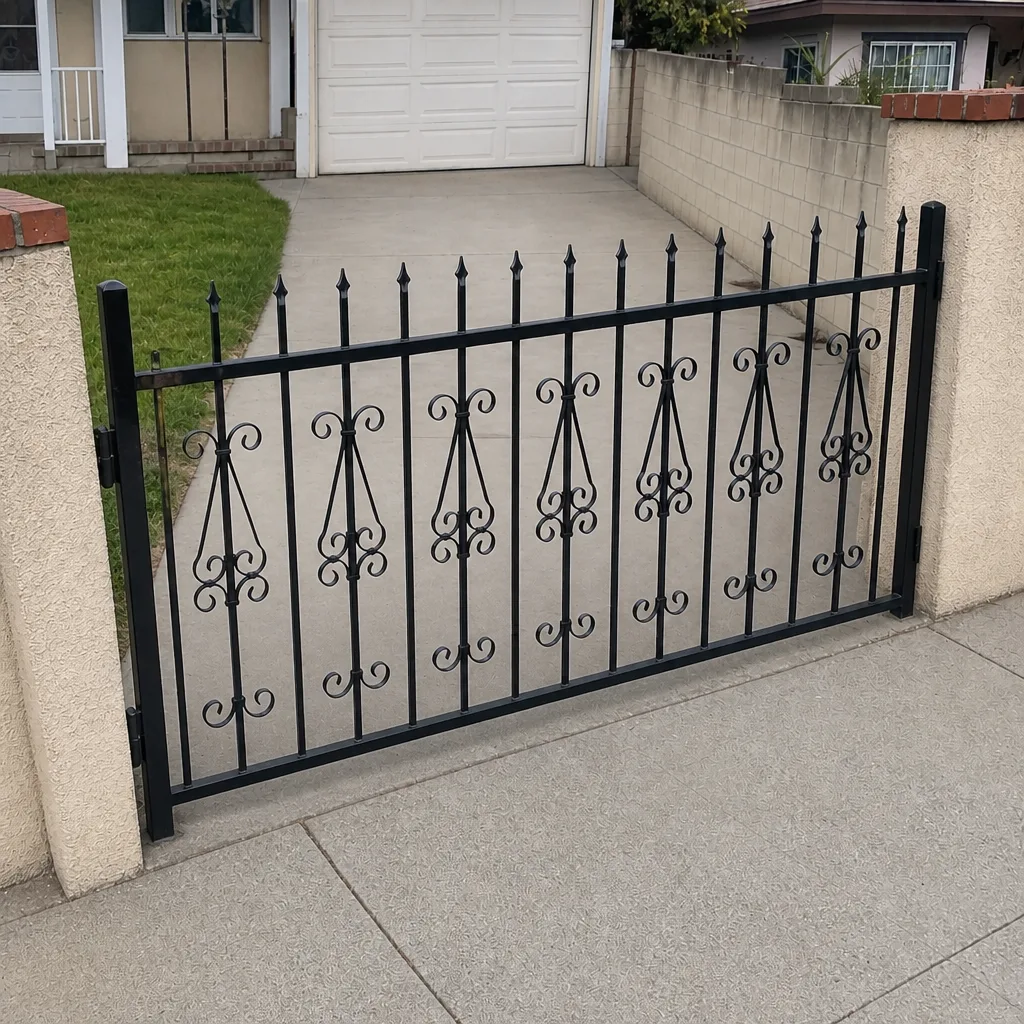
See the difference
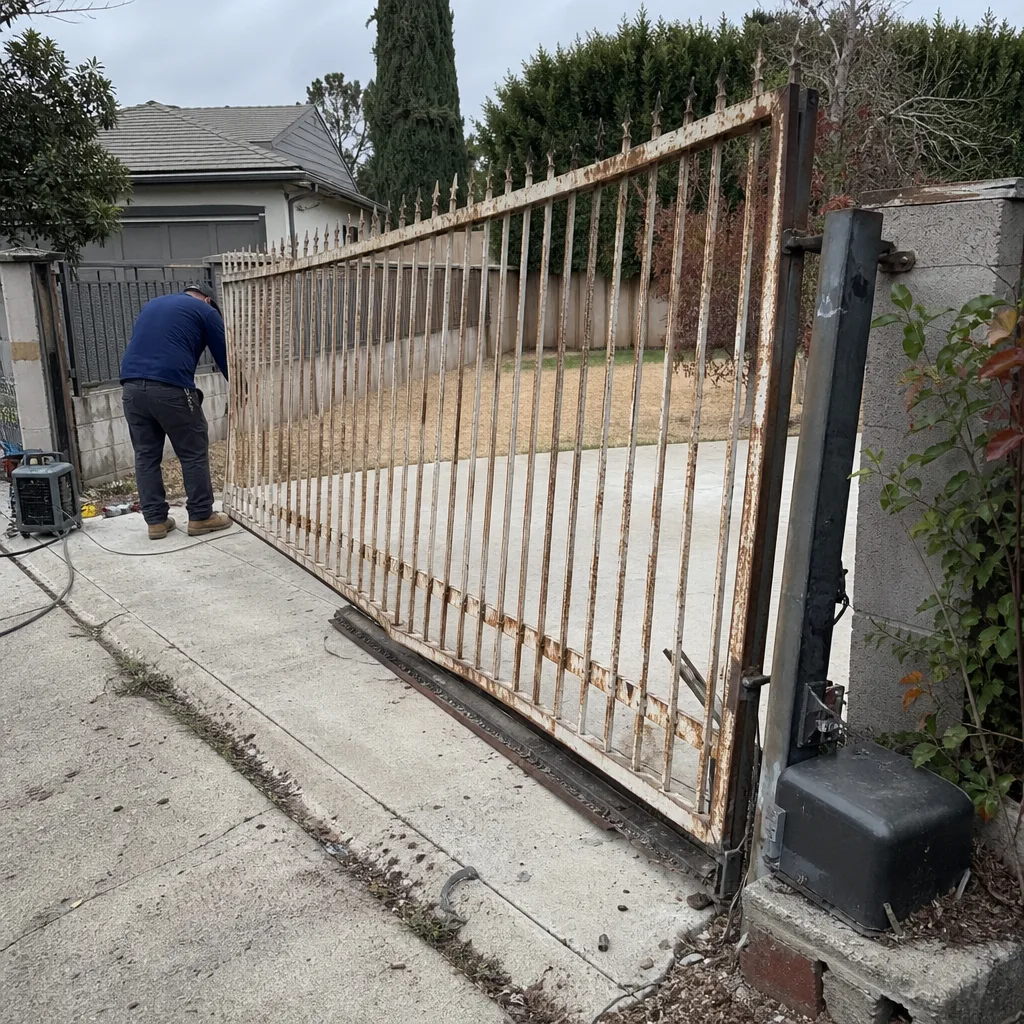 Before
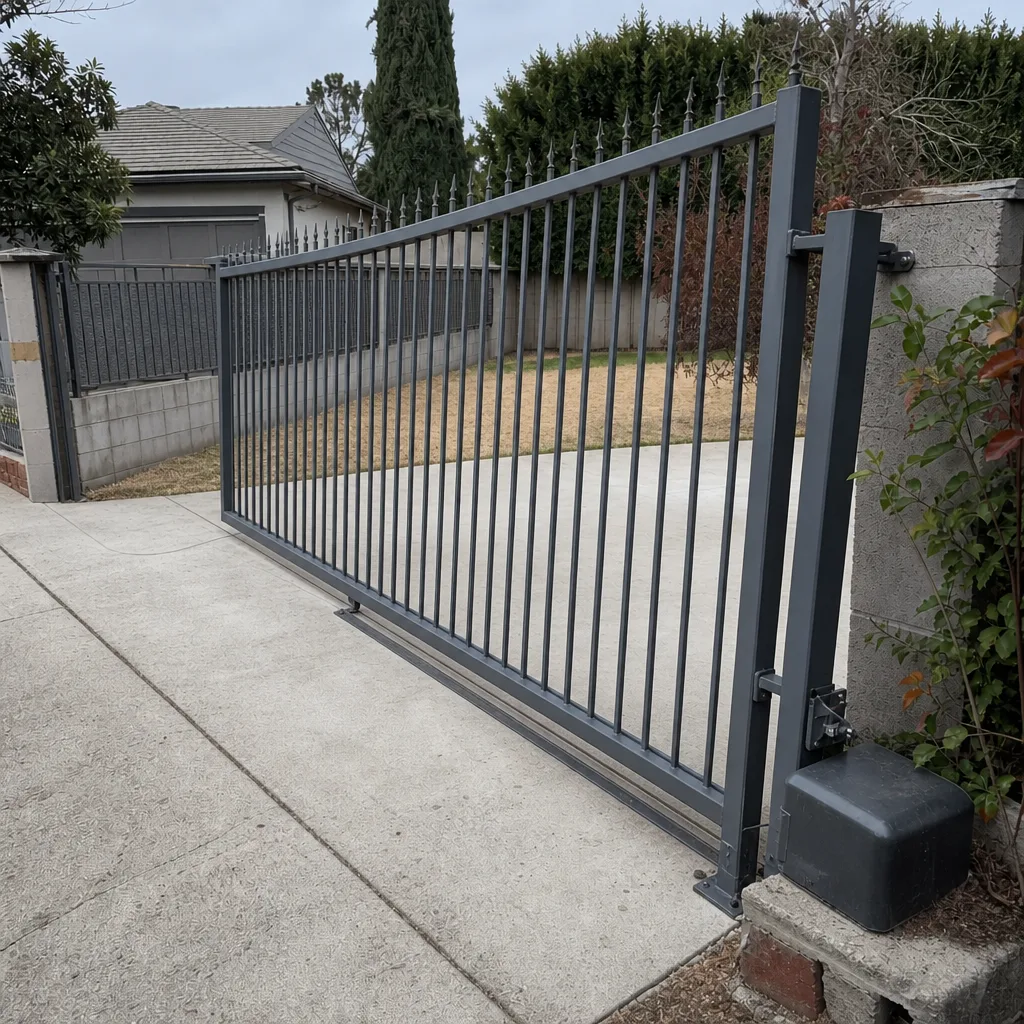 After
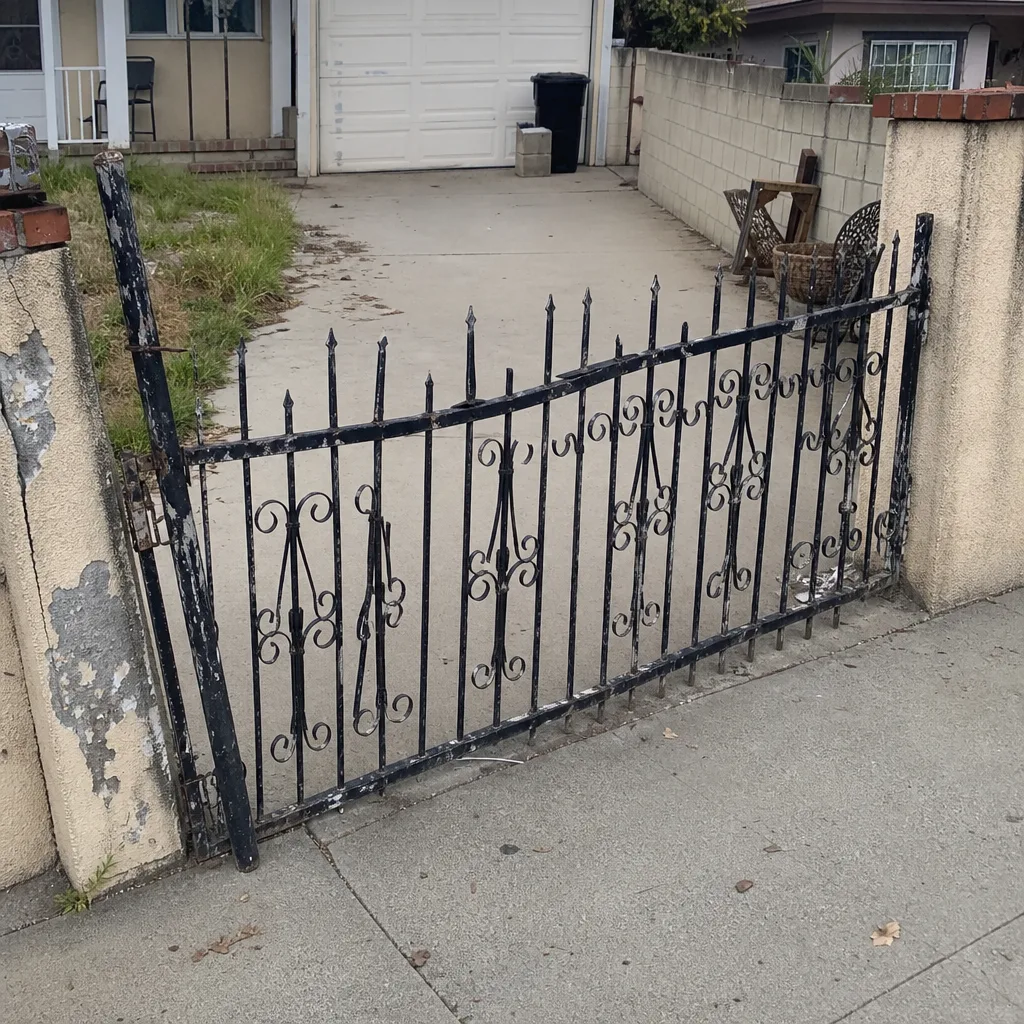 Before
 After
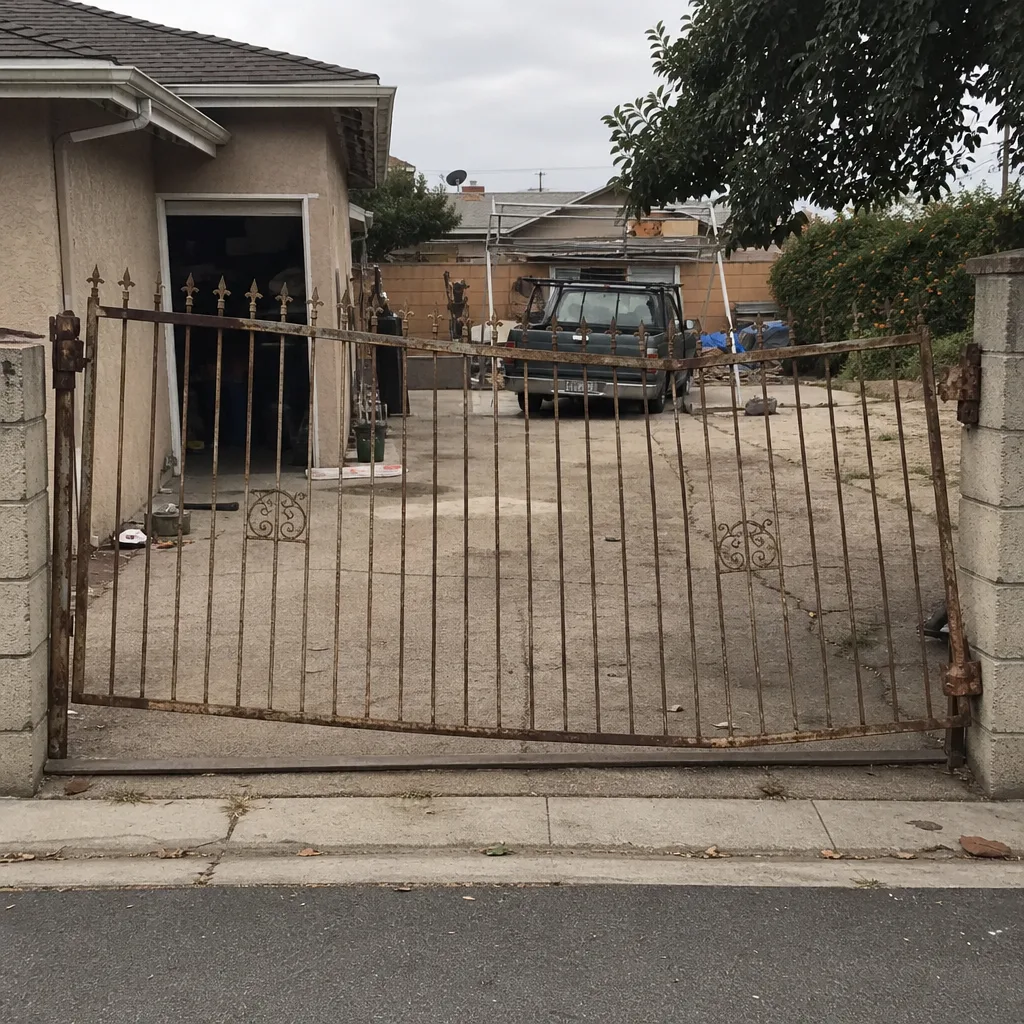 Before
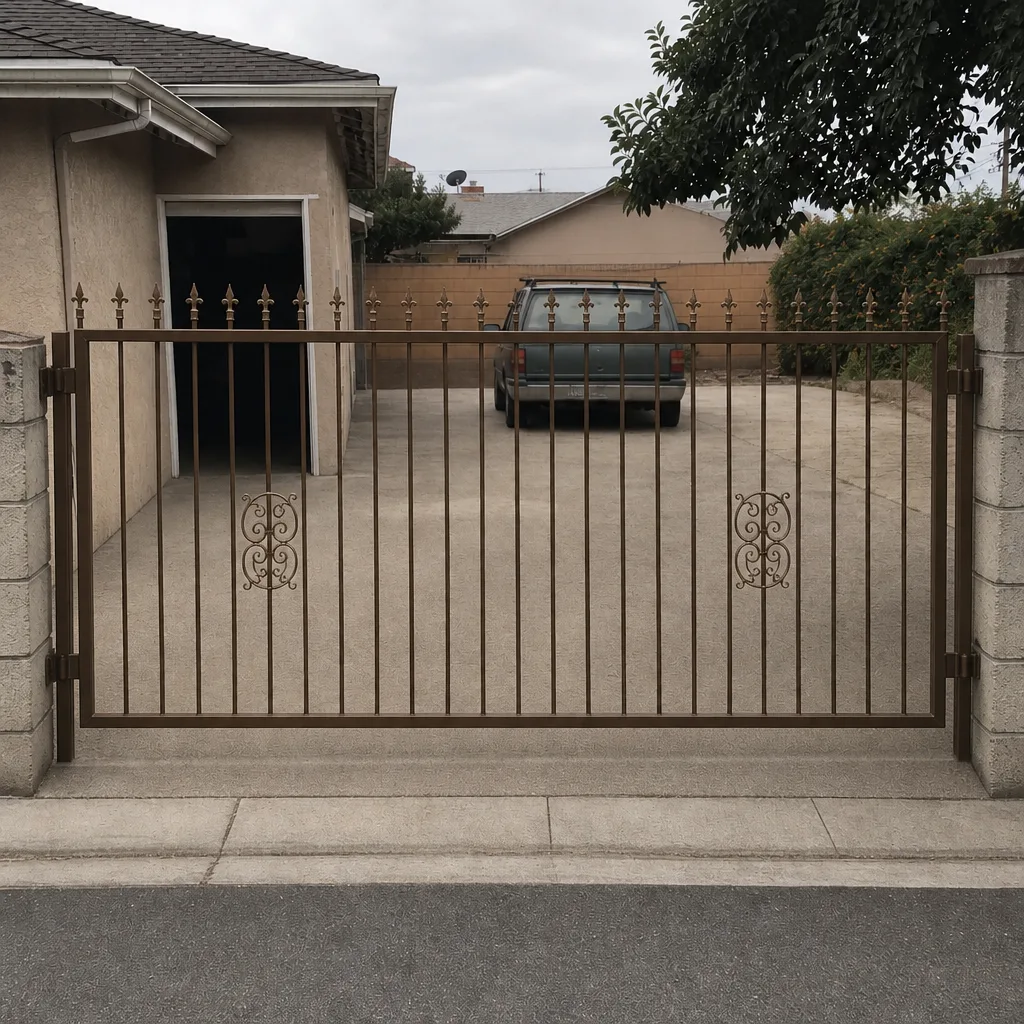 After
When to Call a Professional
You don’t need a specialist to know whether a Baldwin Park gate needs a permit, but you do need one when the work involves electrical wiring, operator replacement, structural modification, or UL 325 safety devices. A gate that barely opens, a control board that has failed twice in a year, a slide gate that has come off its track, a swing gate that sags and drags: these are jobs where guessing wrong creates a bigger problem than the original failure. Gate Repair Baldwin Park offers free estimates in Baldwin Park. Call (855) 679-6795 and we’ll look at the gate, tell you honestly whether a permit is required, and give you a written price before any work starts.
Frequently Asked Questions
New automated gate installations, electrical work to motorize a manual gate, widening or relocating a gate opening, increasing gate height, and operator upgrades that change motor horsepower or safety systems generally require a permit through the City of Baldwin Park Building Division. Call (855) 679-6795 if you need help determining your project’s classification.
If you’re replacing an operator with the same make and model and no wiring changes, you typically don’t need a permit. If the new operator is a different brand, a different horsepower, or requires new electrical work, Baldwin Park likely requires a permit and an inspection. We answer 24/7.
UL 325 is a safety standard for automated gate operators that governs entrapment protection: photo eyes, contact edges, force settings, and warning signage. Baldwin Park inspectors check for UL 325 compliance on any permitted automated gate installation, and non-compliant gates create significant liability exposure for the property owner.
Yes, Baldwin Park processes after-the-fact permit applications for unpermitted gate work. The process involves submitting an application, paying a fee, and scheduling an inspection. Any work that doesn’t meet current code must be corrected before the inspector signs off.
In many Baldwin Park subdivisions, yes. HOA architectural guidelines and CC&Rs often restrict gate material, color, height, and operator type beyond what the city requires. Check your HOA’s rules before you start any gate project that changes the gate’s appearance or operation.
Keep the permit, the final inspection sign-off, a written description of the work, the contractor’s license information, UL 325 compliance documentation, dated photos, and any HOA approval letter. This file protects you at resale and in any insurance or liability dispute.
The Bottom Line
Baldwin Park gate permits are less about red tape and more about documentation. A like-for-like repair needs nothing from the city. A new automated gate, a relocated opening, a height change, or an operator upgrade with new electrical work needs a permit, UL 325 compliance, and an inspection. Skipping that process doesn’t save money. It transfers the cost to later, usually during a home sale or after an incident when the leverage isn’t yours. Pull the permit, keep the paperwork, and if you’re not sure whether your gate project needs review, call (855) 679-6795. We answer 24/7. Fast dispatch from 7am to 7pm, Sunday through Friday.
Written by the team at Gate Repair Baldwin Park, serving Baldwin Park since 2015.